



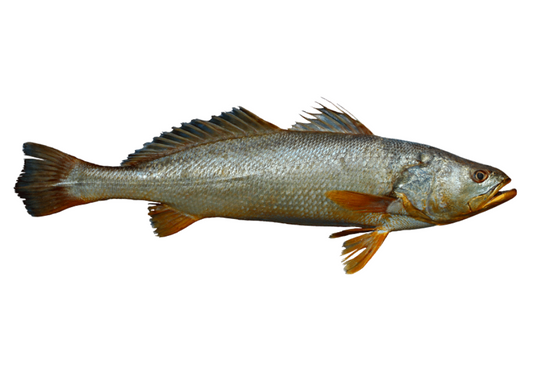

Certainly, one of the biggest factors that deter people from eating fish daily is the fear of bones! Finding the best fish is often linked to the scarcity of bones in the meat.
Whether for children or for a specific preparation, consumers often have a lot of doubts.
But this issue is far from being a major problem. A little quality information about the species will make a big difference and give you a lot of confidence in what to ask the fishmonger.
How to identify if the fish has many bones?
The bone structure of each fish is an excellent indicator that will help you in your choice.
It all starts with the type of preparation you want to make and who will consume it. For children and the elderly, it's good to be extra careful.
The first tip is related to the cut options:
- Fillets and loins: practically boneless
- Steaks: may contain some bones
- Whole fish: may have many bones.
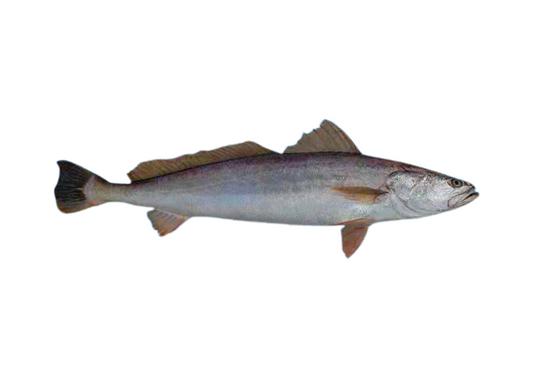
The shape of the fish is also a good indicator. The longer and narrower it is, like river dorado or sardine, the more bones it has. Few people know that salmon, a long and narrow fish, has many bones. However, they are all removed before the fillet is sold. Shorter and taller fish, like tilapia and sole, tend to have fewer bones.
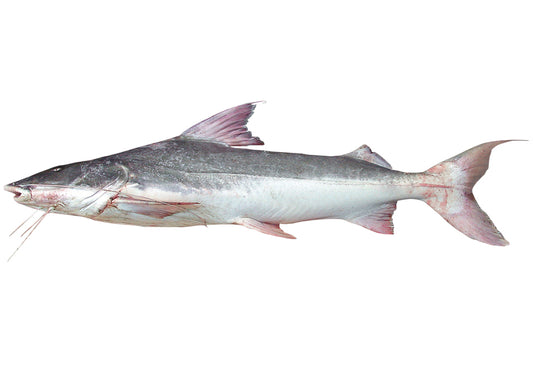
In the case of river fish, whether it has scales or skin is also another indicator. Skinned fish like pintado, piramutaba, or filhote have fewer bones than scaled fish, like piapara, curimbá, or pacu. But there are exceptions! Fish from the Cichlid family, tilapia and tucunaré, for example, have scales but very few bones. Pirarucu also has scales and few bones.
Another tip is the origin. Saltwater fish tend to have fewer bones.
For those near the sea, Brazil offers excellent options. See how to identify and order the right fish with no or few bones.
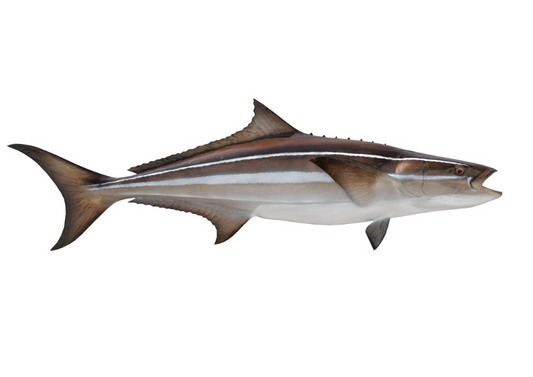
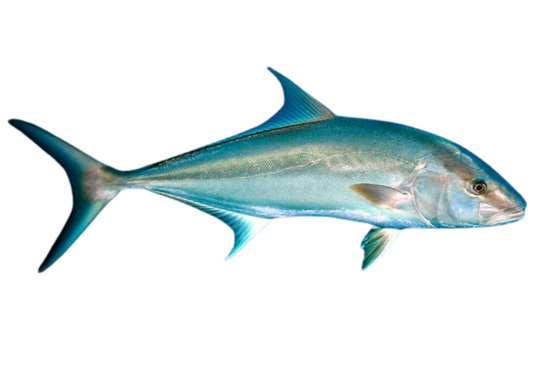
Long fish with a more rounded body such as Tuna, Mackerel, Bonito, Olhete, Dorado tend to have more flesh, more isolated bones that are easier to remove. For this type of fish, steaks are a great choice.
Moving in the direction of these fish, the second variable will be the color of the meat. Whether you prefer lighter or darker, like tuna, for example. The two examples above are lighter meats.
Monkfish: ugly fish with a beautiful fillet.
For children in fish markets in the Southeast region, it is not difficult to find monkfish, or anglerfish, despite its appearance, monkfish is excellent… no bones, lots of fillet, firm and white meat. Without a doubt, one of our main recommendations!
The smoothest fillet from the sea: Sole.
Another saltwater option is sole. A fillet of white meat with a very mild flavor. But be aware that sole is often subject to fraud. Because it is highly sought after already in fillet form, some fishmongers who are not serious sell other fish of lower commercial value as sole. Therefore, it is important to know its appearance, trust the fishmonger, and if possible, buy the whole fish and ask the fishmonger to clean and fillet it on the spot!
The 5 best options for sea fish, white meat and boneless:
- Sole - fillet
- Monkfish - fillet
- Wahoo Mackerel - steaks
- Swordfish or Meca - steaks
- Mahi-mahi - loin
Best river fish with few bones
If you are in a freshwater fish region, tilapia fillet is a sure bet. But there are also many other options for you to explore and vary.
Pirarucu is a high-quality option, excellent price, and best of all, a large part is already farmed, making it a sustainable choice. Being a large fish with few bones throughout its body, it has a lot of meat. Pirarucu can reach up to 100 KG.
See in the photo this pirarucu loin that clearly resembles cod, but in our opinion, it's even better: and it's genuinely Brazilian!
In addition, we have pintado, which belongs to the catfish family but has noble, high-quality meat. Within the family, there are other species of very high quality, some of them farmed.
5 best commercial freshwater fish options with few bones:
Always remember to check the origin of the fish and especially choose serious fish markets that offer quality and transparency to customers.
FishCode is a platform that helps you choose the right fish. Let's overcome the fear of eating fish! Check out these two collections that can help you!


