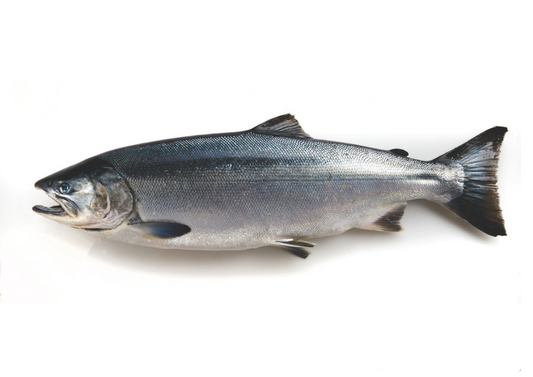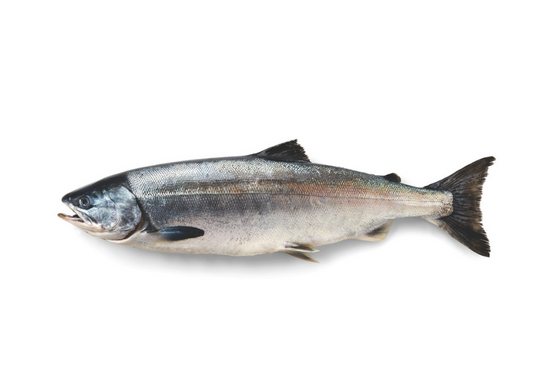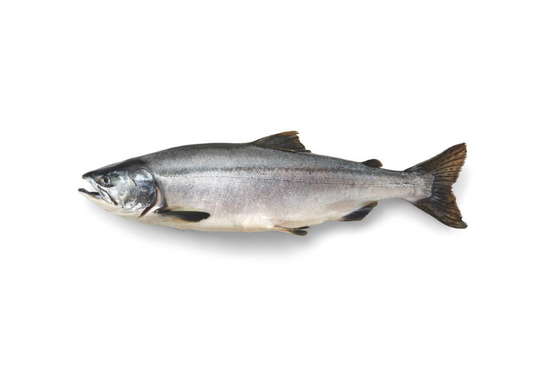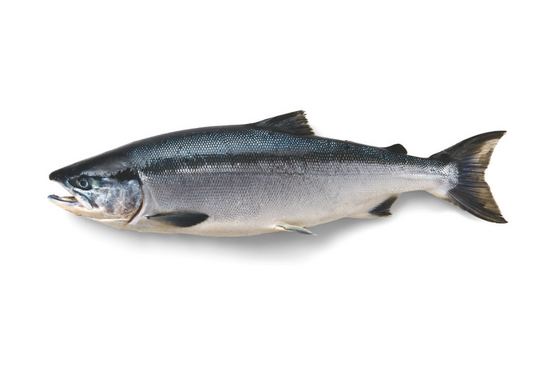

In just a few decades, salmon has gone from a rare delicacy to a common choice in Brazilian restaurants, appearing in all-you-can-eat buffets, steakhouses, and Japanese cuisine. Its popularity grew with the expansion of commercial farming, which reduced prices and increased supply, in addition to its reputation for being healthy and delicious. However, the consumption of farmed salmon is often criticized on social media, with accusations of dye and antibiotic use. According to nutrition and aquaculture specialists, however, these fears are exaggerated, and the fish remains a safe option within a balanced diet.
An ancient and important family in the ecosystem
The salmon family has existed for over 100 million years. These fish play a crucial role in ecological balance, being considered keystone species. They feed everything from small crustaceans to large predators, such as bears and whales, and, of course, humans.
Among the most consumed salmon, Atlantic and Pacific species stand out. While the Atlantic has only one commercially relevant species, Salmo salar, the Pacific is home to five types of salmon: king, sockeye, coho, keta, and pink. Each has distinct characteristics, but they all share one thing in common: they are highly nutritious.
Salmon species: characteristics and curiosities

- Atlantic Salmon (Salmo salar): The only Atlantic species, known for its mild flavor and tender flesh. It is the most common type found in Brazilian markets, with most of it being farmed.
-
King Salmon (Oncorhynchus tschawytscha): Also known as "royal salmon," it is famous for its rich flavor and high fat content. It is the rarest in Alaska and can range from white to deep red flesh.

-
Sockeye Salmon (Oncorhynchus nerka): Known as "red salmon" for its vibrant reddish-orange flesh. It is highly prized for its robust flavor.

- Coho Salmon (Oncorhynchus kisutch): With its bright red flesh and delicate texture, it is a favorite among chefs.
-
Keta Salmon (Oncorhynchus keta): Produces the most prestigious caviar, known as ikura in Japanese cuisine. Its flesh is lighter and less fatty.

-
Pink Salmon (Oncorhynchus gorbusha): The smallest and most abundant of all, with light flesh and low fat content. Often sold canned or smoked.
Wild and farmed salmon have significant differences that affect both their nutrition and their rearing. Let's explore these differences and other salmon-related information:
Difference between wild and farmed salmon:

- Wild Salmon: Wild salmon live in open seas and naturally feed on small fish and some invertebrates. At this stage of their life, their flesh is white. When they reach sexual maturity and the start of the reproductive season approaches, they begin to feed on crustaceans, especially a species popularly known as krill (a small shrimp), which is rich in proteins, omega-3 fatty acids, and antioxidants like astaxanthin. This is when the nutritional profile of their flesh changes completely, as does its color, which then takes on orange tones.
- Farmed Salmon: Farmed salmon, on the other hand, live in large circular tanks in fresh water (yes, all salmon are euryhaline) until they reach about 300 grams in weight. Then they are transferred to large net pens in salt water. They feed exclusively on balanced diets according to their nutritional requirements at different stages of development (larva, fry, juvenile, growth, and finishing). Salmon nutrition is the most modern and technologically advanced field in global aquaculture, with absurdly more advantageous feed efficiency results (Feed Conversion Ratio) than poultry, pigs, and cattle. Astaxanthin supplementation only occurs in the finishing diet.
The color of salmon:
- The reddish-orange color of wild salmon is natural due mainly to the consumption of microcrustaceans, such as krill, which is rich in astaxanthin.
- In the case of farmed salmon, the color is artificially replicated through the inclusion of astaxanthin in the feed, which can be of natural or synthetic origin.
Frozen or fresh on ice?
- Brazilian consumers prefer salmon that has not been frozen, the traditional fresh kind. In this case, 100% farmed.
- Meanwhile, wild salmon, which as a rule has higher prices than farmed salmon, arrives in Brazil 100% frozen.
- When both are turned into sashimi, it's hard to tell which is which and, especially, which is better.
- However, there is an important difference in this regard: while fresh salmon tomorrow is, undeniably, less fresh than today (meaning, it loses quality each passing day), frozen salmon maintains its characteristics unchanged for up to 12 months.
Why does salmon turn white when cooked?

-
When salmon is cooked, a white substance, called albumin (the same found in egg white), appears. This is a protein located between the muscle fibers that coagulates with heat, forming this white layer.
Salmon producing countries:
-
Norway is the world's largest producer of farmed salmon, followed by Chile, which exports a large portion of the salmon consumed in Brazil. About 70% of salmon consumed globally comes from farms.
Salmon price:
- In Brazil, the price of salmon can vary, but a kilo of whole fresh salmon is around R$ 78.00
Benefits of salmon:
- Salmon is an excellent source of protein, vitamins B12 and D, and minerals such as selenium, which has antioxidant properties. One of the greatest benefits of salmon is its content of omega-3 (EPA and DHA), which helps heart health, brain function, and reduces inflammation.
In summary, both wild and farmed salmon are healthy, with nutritional and environmental differences. The choice between them may depend on personal preferences and concerns about sustainability and food quality.
How to choose the ideal salmon?

When buying salmon, pay attention to some details that can ensure the quality and freshness of the fish:
- Appearance: The flesh should be firm, with a uniform color and no dark spots.
- Smell: It should have a mild, fresh aroma, never a strong fishy smell.
- Texture: Lightly press the fish; if the flesh returns to its original shape, it is fresh.
- Eyes: If you are buying a whole fish, the eyes should be bright and clear, never cloudy.
- Scales: The scales should be attached to the skin, not loose.
Additionally, be careful when buying pre-packaged or frozen salmon, always checking the expiration date and storage conditions.