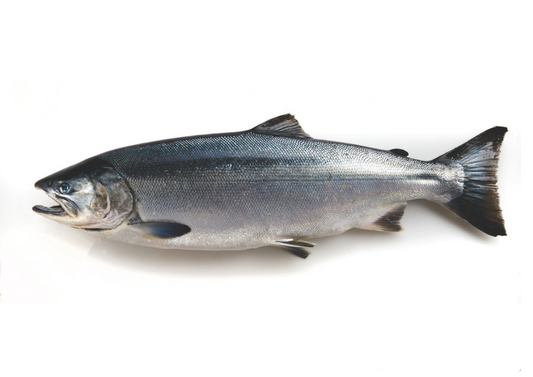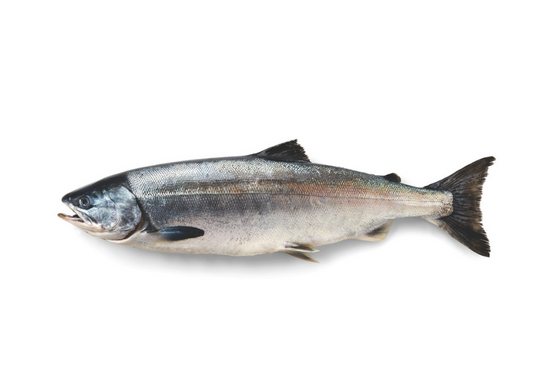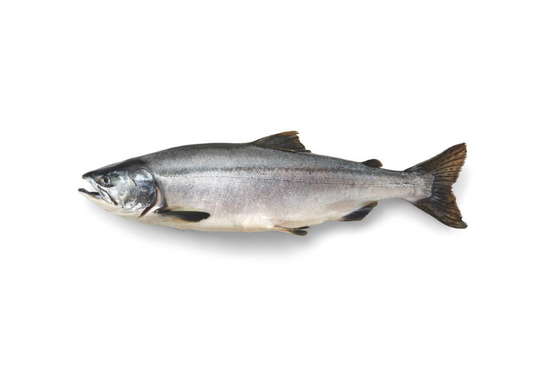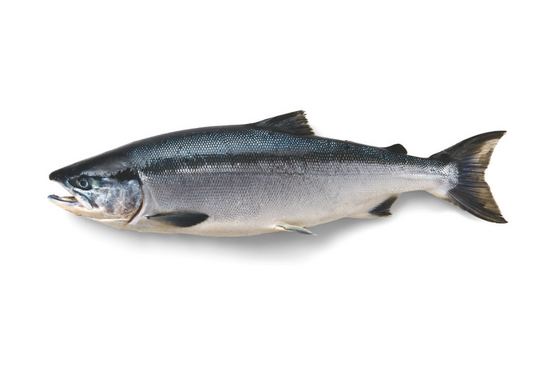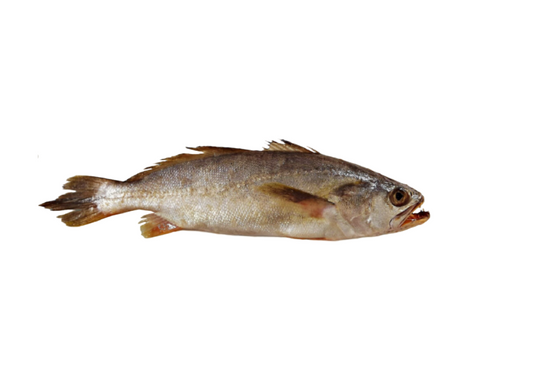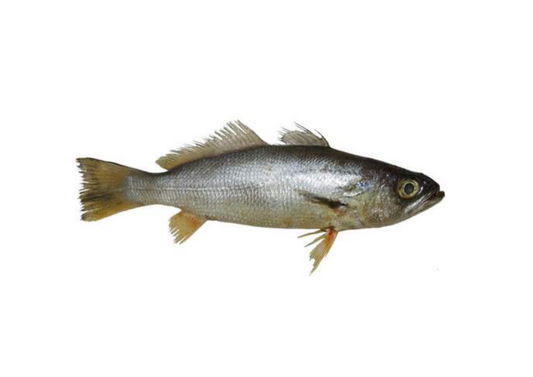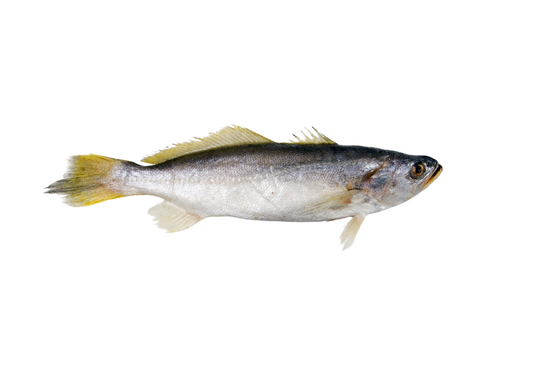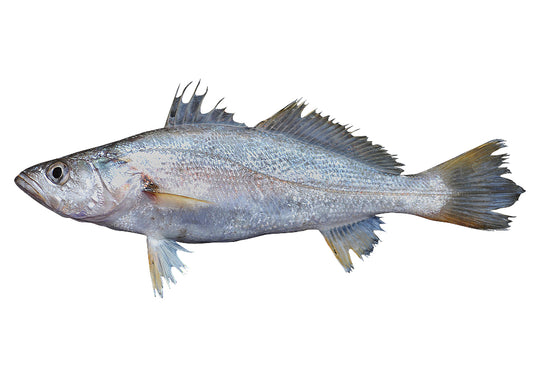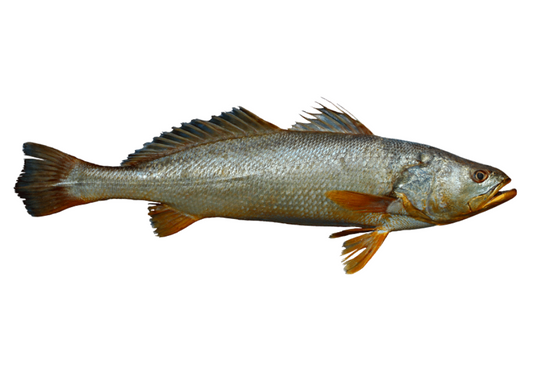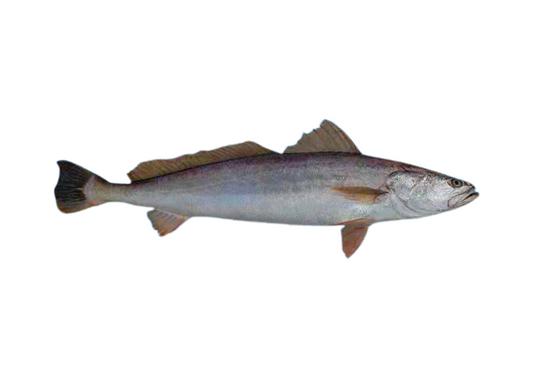

Did you know that Brazil has one of the largest mullet fisheries in the world, but many Brazilians in big cities have never tasted this noble fish?
With over 8,500 kilometers of coastline and one of the greatest marine biodiversities on the planet, Brazil is a fishing giant that has not yet fully discovered its own potential. Mullet fishing is a perfect example of this Brazilian contradiction: while it moves millions of dollars in roe exports to sophisticated markets in Europe and Asia, fresh fish rarely reaches the tables of the upper classes in large urban centers.
The Phenomenon of "Gastronomic Distance"
There is a curious phenomenon in Brazil: the further from the sea, the more expensive and rare quality fresh fish becomes. While in coastal communities mullet is a staple and traditional food, in the upscale neighborhoods of São Paulo or Rio de Janeiro, finding this fresh fish is almost an impossible mission.
Impressive data:
- Brazil exports between 170 and 600 tons of mullet roe annually, considered a premium delicacy abroad.
- Each kilo of bottarga (processed roe) can be worth between R$ 800 and R$ 1,200 on the international market.
- Even so, very few of the urban Brazilian population have ever tasted fresh mullet, let alone its roe.
Between Artisanal Tradition and Urban Market Challenges
With 6,795 tons of quota distributed among different modalities, the mullet fishing season promises to move millions of reais and preserve one of Brazil's most important fishing traditions.
The 2025 mullet fishing season officially began on May 1st, bringing with it not only the expectation of a promising harvest but also the historical challenges surrounding this fundamental fishing activity for the South and Southeast regions of Brazil. Scheduled to end on July 31st, the season represents much more than numbers: it is the continuation of a tradition that supports thousands of families and feeds both coastal communities and large urban centers.
A Fishery of Continental Proportions
Brazil has one of the largest mullet fisheries in the world, involving everything from industrial fleets of trawlers to thousands of artisanal fishermen scattered across lagoons and estuaries on the coastal plain. Interministerial Ordinance MPA/MMA nº 26/2025, published on February 28, established a total catch limit of 6,795 tons for 2025, strategically distributed among different fishing modalities.
Distribution of Mullet Fishing Quotas 2025
- 2,300 tons allocated for capture in the Lagoa dos Patos estuary
- 1,725 tons for coastal surface gillnetting
- 1,100 tons for artisanal beach seine in Santa Catarina
- 970 tons for ringed gillnetting
-
600 tons for the industrial purse-seine/trawler modality

The Migration Phenomenon: When the South Wind Calls
Mullet fishing is a unique phenomenon that combines traditional knowledge with scientific precision. During the reproductive period, schools of mullet (Mugil liza) leave the estuaries and migrate along the coast to spawn in the open sea. It is at this moment that climatic conditions, especially the south wind, become fundamental for the success of the season.
"The south wind favors the exit of the schools from the estuary," explains the traditional knowledge of fishermen, a wisdom that aligns perfectly with scientific studies on the migratory behavior of the species. This synchronization between nature and ancestral knowledge is what makes mullet fishing such a special activity, and at the same time, so dependent on climatic factors.
From Net to Table: The Challenges of the Distribution Chain
Despite the relative abundance during the season, mullet still faces significant barriers to reaching tables in large urban centers. Between 2000 and 2015, total landings ranged from 2 to 13 thousand tons of fresh fish annually for domestic consumption, figures that highlight both the potential and limitations of the sector.
One of the main difficulties lies in logistics and distribution. While fishing communities in the coastal plains directly consume a significant portion of artisanal production—consumption that is not always recorded in official statistics—bringing this quality fish to urban markets still represents a complex challenge.
The lack of adequate conservation and transport infrastructure, coupled with the concentrated seasonality of fishing, creates bottlenecks that prevent mullet from reaching its maximum commercial potential. This results in significant economic losses for fishermen and limitations in the supply of this noble fish to urban consumers.
Brazilian Caviar: Roe Export

While the domestic market still presents challenges, the foreign market for mullet roe (bottarga) represents a success story.
Brazilian bottarga has conquered demanding international markets, especially in the Mediterranean and Asia, where it is considered a premium delicacy.
According to a publication by Botarga Gold, one of the main Brazilian producers, mullet roe has been exported from Brazil for over 50 years, primarily to Europe and Taiwan, which are the largest consumers of the delicacy.
On the island of Taiwan, over 2 million kilograms of mullet roe are consumed annually. In the region, this food represents friendship, unity, fertility, gold, and wealth, and is widely used in weddings, inaugurations, and during Chinese New Year.
This fishing byproduct represents an opportunity to add significant value to fishing activity, transforming what was once discarded into an important source of income for coastal communities.
The processing of roe requires specific techniques and special preservation care, creating a value chain that goes beyond traditional fishing and generates specialized jobs in producing regions.

Sustainability in Focus: The Necessary Balance
The implementation of catch quotas in 2025 reflects a growing concern for the sustainability of the fishery.
The vulnerability of mullet to fishing activity is explained by its biological characteristics: a relatively long lifespan, late sexual maturation, and capture at all life stages. The concentration of fishing during the reproductive period, when the fish form large schools, makes the species particularly susceptible to overfishing.
The control measures implemented by the Ministry of Fisheries and Aquaculture (MPA) represent an effort to balance the economic and cultural importance of the activity with the need to preserve fish stocks for future generations.
Expectations for the 2025 Harvest
The prospects for the 2025 season are cautiously optimistic. The clear definition of quotas by fishing modality offers legal certainty for fishermen and sector businesses, allowing for better activity planning.
The challenge from Santa Catarina in the Supreme Federal Court (STF) against federal quotas adds an element of political uncertainty but also demonstrates the economic importance of the activity for the state. The legal battle reflects tensions between federal management and regional interests, a discussion that will likely extend beyond the current season.
For artisanal fishermen, the season represents not only an economic opportunity but the continuation of a tradition that defines the identity of many coastal communities. For industrial fishing, the established quotas offer predictability for investments in equipment and logistics.
Tradition that Feeds the Future
Mullet fishing transcends simple economic activity to become a cultural heritage of the South and Southeast regions. Artisanal beach seine, in particular, represents one of Brazil's oldest forms of fishing, passed down from generation to generation in coastal communities.
This tradition faces the modern challenge of adapting to sustainability demands without losing its cultural essence. The 2025 season will be an important test to verify if it is possible to reconcile environmental preservation, economic viability, and the maintenance of fishing traditions.
As the first schools begin to move with the arrival of the south wind, fishermen from all over the Brazilian coast prepare for another season that promises to be challenging, but fundamental for maintaining one of the country's most important fishing traditions. The success of the 2025 harvest will depend not only on favorable climatic conditions but also on the ability to overcome the structural challenges that still separate artisanal fish from large consumer markets.