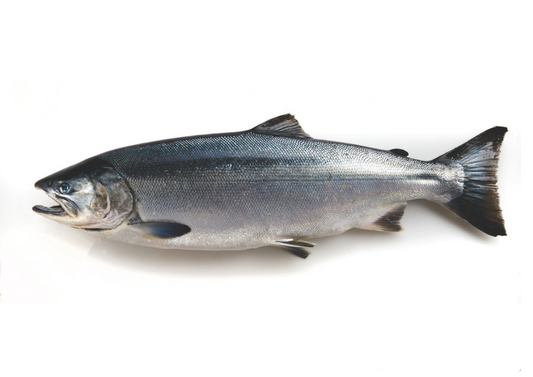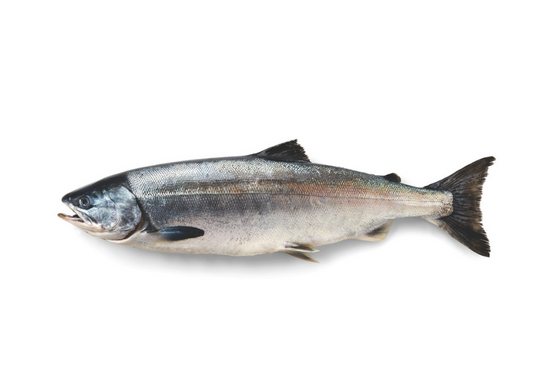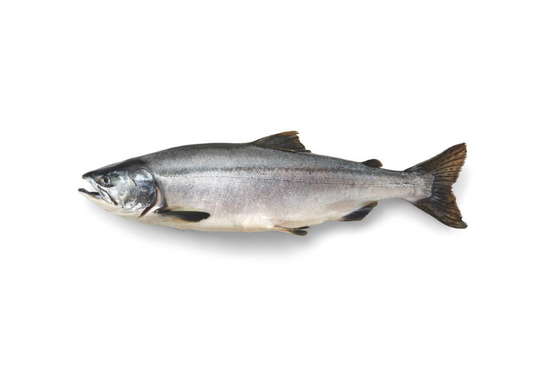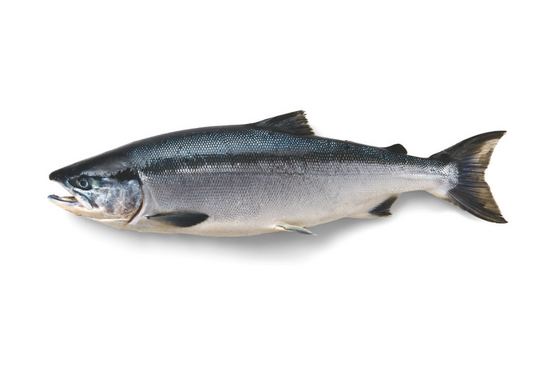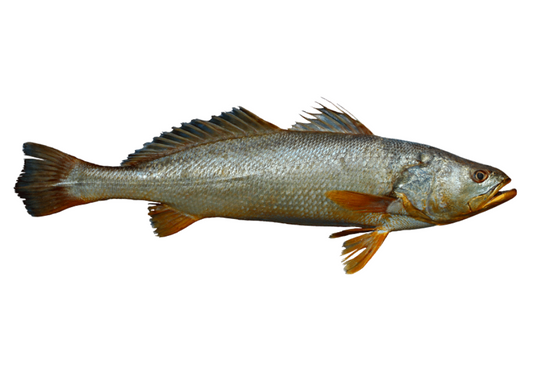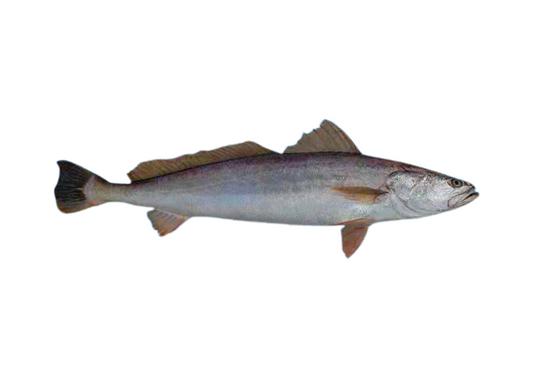
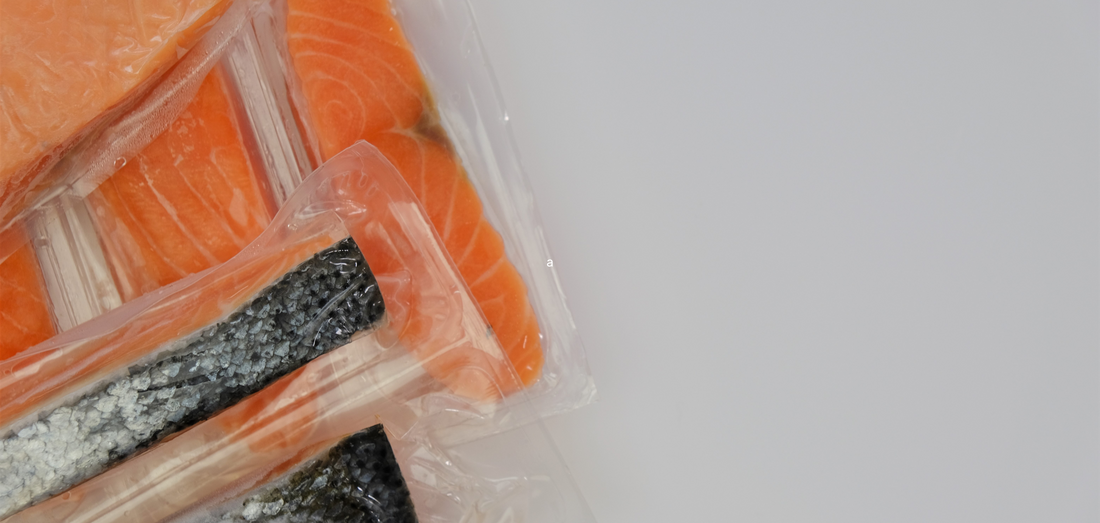
Fresh or frozen fish, which is better?
It's a myth that fresh fish is better than frozen fish! Are you surprised by such a statement? Don't worry, there's a very simple technical explanation for this: while cold (keeping it "fresh" on ice) can reduce/slow down chemical reactions that spoil meat, enzymatic activities, and microbial growth, freezing has the power to practically stop all of this!
The faster the freezing and the lower the temperature, the better the preservation of sensory characteristics (flavor) and texture.
Fish kept "fresh" from tomorrow has less quality than that from today. And so on as the days pass.
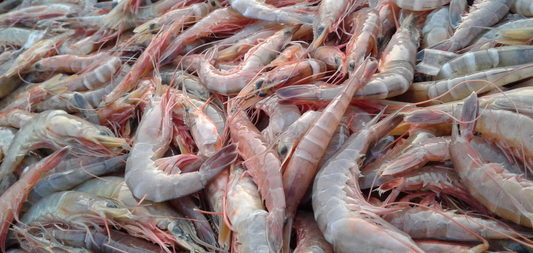
Therefore, frozen fish or shrimp is indeed very good! Often better than what is called "fresh."
But what about fish that has just been caught? It also won't be as good, as the ideal is to consume fish after its muscle fibers enter rigor mortis. Before that, the texture of the meat is quite compromised. Thus, it is recommended to wait at least 4 hours after slaughter, always keeping the fish at low temperatures.
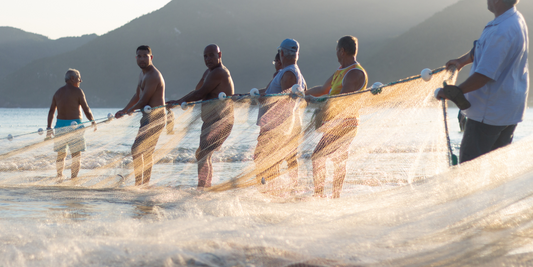
To preserve the characteristics of truly fresh fish, it needs to be kept on ice all the time. This ice needs to be of quality (chlorinated), with controlled temperature from the boat or production farm to the shelves of fishmongers or restaurant refrigerators.
You don't need to understand much to see the complexity of this logistics. Of course, many retailers and restaurants can guarantee this quality. But like other animal proteins, correct freezing is a way to ensure the quality, flavor, and nutritional properties of the fish.
And why is frozen fish often so bad?
As a general rule, it's because first, they tried to sell this fish as fresh. It was exposed for 8 - 10 days and wasn't sold. To avoid losing the fish, they freeze it! Freezing doesn't work miracles! Freezing maintains the characteristics of the day the fish was frozen. This is what justifies the negative opinion of most consumers regarding frozen fish. Freezing should be used by the industry as a preservation technique, not as an alternative to avoid losing fish.
Frozen fish is an option that ensures quality, practicality, and logistics.
To be able to have fish on our tables more often, practicality is essential. Freezing is a great ally for portioning fish. Many fishmongers already offer fish burgers, fillets, pieces, and shrimp, all frozen and vacuum-packed! Ensuring hygiene, quality, and practicality.
It is also worth noting that freezing fish and shrimp allows for more efficient transportation and storage, helping to reduce costs for the final consumer.
Freezing can be a great guarantee of the quality of your fish or seafood.
Rapid freezing, whether of whole fish, fillets, or seafood, ensures the flavor and all properties of the fish such as texture, aroma, taste, and color. All fish has its pleasant smell. If it has an unpleasant odor, it is because its preservation is no longer ideal.
Research the supplier and have no fear of opting for frozen products!
Are there exceptions?
Yes. Some seafood like scallops, oysters, and mussels don't taste as good after being frozen. Ideally, immediately after being harvested, they should be put on ice and consumed fresh.
Freezing tuna is also not highly recommended, as it changes color quite a bit, and this can confuse classification criteria. It is possible to freeze tuna, but it is quite technical and requires very low temperatures.
A curiosity about fresh tuna: Brazil exports tuna to the United States. Between fishing offshore, processing/classification on land, transport, and distribution, it can take up to 30 days for it to reach the final consumer in the US as fresh. A massive cold chain logistics to maintain quality.