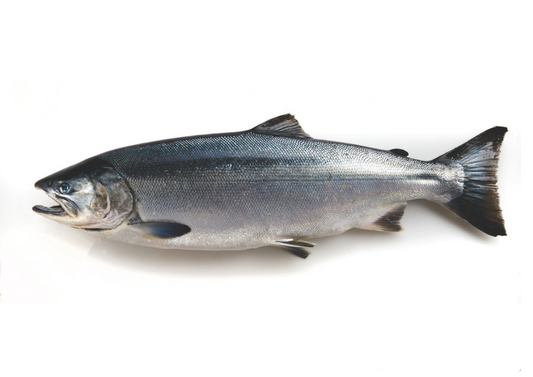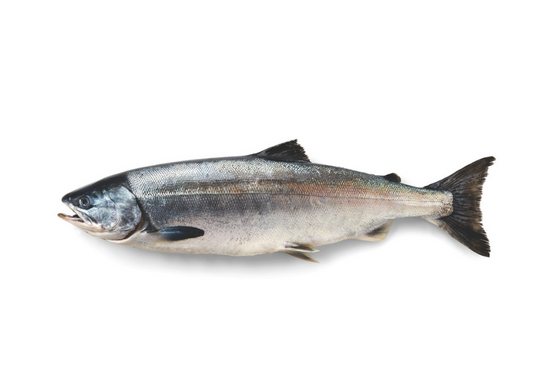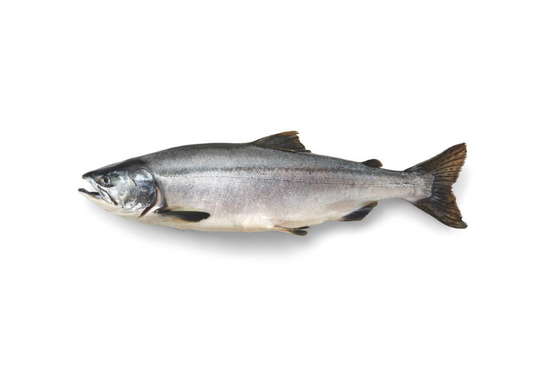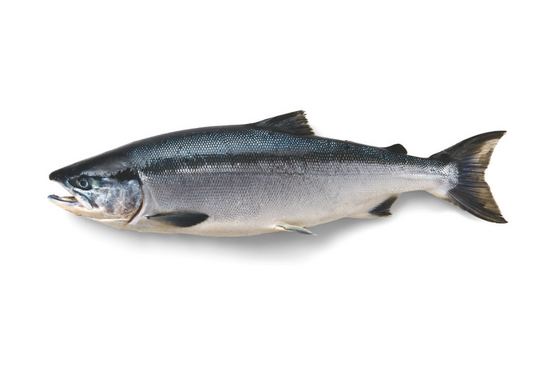

In this article, we show the advantages and points of attention when deciding between fresh fish and frozen fish.
In Brazil, the conviction still prevails that good fish is necessarily fresh fish (not frozen). At the market stall or on the supermarket shelf or when visiting our trusted fishmonger, the usual question is: is the fish fresh?
After all, what characterizes fresh fish?
First of all, it is crucial to understand what characterizes a fish as fresh. Popularly, fresh fish is considered to be that which is not or has not been frozen. However, this definition does not guarantee absolute freshness. It is important to understand that while cold temperatures between 1 and 5°C have the power to decrease biochemical reactions at the cellular level and bacterial development, freezing has the power to stop these activities.
Thus, it can be stated that: fish kept fresh tomorrow will be less fresh than today's. And so on for days.
And what is the consequence of these biochemical reactions and bacterial development? Alteration of flavor, texture, and it also jeopardizes the food safety of the fish. In addition, the speed of these reactions has a direct relationship with the intensity of the cold. The further from 0°C, the more positive the temperature, the greater the speed.
Is frozen fish more or less flavorful?
In the case of frozen fish, any damage to the quality of the meat can occur due to the formation of water crystals inside the cell. During thawing, this will cause the cell to rupture and consequent loss of liquid from the meat (technically called exudation). As a consequence, we have loss of flavor and texture. In addition, the colder the freezing, the more negative (-23°C, for example) the temperature, the better!
Which is the best choice: Fresh or frozen fish?
When applied correctly, freezing is the best way to preserve fish without affecting the original characteristics of flavor and texture.
Note that we are faced with a very important issue involving fresh (unfrozen) preservation X freezing: the difference between alteration and loss of flavor intensity.
While fresh preservation for a few days can lead to flavor alteration, frozen can lead to loss of flavor intensity. Both processes can lead to loss of texture. It should be noted that in terms of food safety, fresh fish can carry more risks.
But where does the myth that frozen fish or shrimp is not good come from?
Well, dear consumer, in a way we understand this pre-established concept. In reality, what exists is a relationship where the unfrozen product is "new" and the frozen product is "old." Although this is not always true, it is a fact that there is some correlation, since in retail, at the end of the chain, in fishmongers, it is relatively common practice to freeze fish that is about to "spoil."
First, there was an attempt to market it for a few days as fresh (unfrozen). Biochemical and enzymatic reactions, as well as bacterial development, occurred. There was already a considerable loss of texture, the smell was not very good, and the fish had an unappealing appearance. To avoid losing the product, it was frozen. In these cases, freezing does not have the power to restore the characteristics of the day the fish was caught. Therefore, this justifies the relationship consumers have where frozen fish or shrimp is "old" and of low quality, since freezing preserves the characteristics of the day it was frozen.
Therefore, it is a myth to claim that fresh fish is always superior to frozen fish.
Properly frozen fish is a guarantee of freshness, as it drastically reduces temperature variations and minimizes the chances of meat quality loss. Modern vessels and industries portion and freeze in minimal time, ensuring practicality and quality for the everyday consumer.
How to freeze fish correctly?
The most important criterion: on the same day it was caught (the Fresh Frozen concept). We reiterate that freezing preserves the characteristics of the day the fish was frozen. Second criterion: temperature. The colder, the better. Cold storage rooms are ideal, but we assure you that your home freezer will not disappoint. Third criterion: vacuum packaging with a thick plastic bag. Fourth and final criterion: drain or dry excess water. If these steps are followed, we assure you that the fish can be kept frozen for up to 12 months without significant loss of quality compared to the day it was frozen.
It should be noted that when the objective is to preserve the original qualities of the fish, thawing techniques are as important as freezing, where slow thawing (in the refrigerator, for example) is the most recommended.
Fresh Salmon and Frozen Salmon.

This topic is so complex that there is even an interesting curiosity about a noble fish involving fresh vs. frozen. We are referring to salmon. There are consumers loyal to the consumption of wild salmon from Alaska. This product arrives in Brazil 100% frozen! On the other hand, Chilean salmon arrives almost entirely fresh. And, surprisingly: 10 days of overland travel to reach Brazil. The quality of wild salmon is not questioned by the fact that it is frozen! And why not? Because it was frozen fresh and with the right techniques.
Learn about Atlantic Salmon
Learn about King SalmonHow to buy frozen fish?
Considering that tips for buying fresh fish are easy to find, let's focus on providing some tips for buying frozen fish:
- Appearance of the fish: Ideally, it should have vibrant colors, as it naturally does. It should not have whitish edges. Scales, in the case of fish, and shells, in the case of crustaceans, help protect the meat.
- Packaging: Opt for hermetic and well-sealed packaging that protects the fish from air and moisture exposure. The thicker the plastic, the better. Check for signs of excessive freezing, such as ice crystals on the packaging.
- Origin: Know the provenance of the fish. Reliable brands with good freezing practices guarantee product quality.
Where to Buy Frozen Fish:
Access the Fishmonger Near Me storefront and discover the fishmonger nearest to you.

We have selected a range of fishmongers that offer excellent quality frozen fish, exclusively following the Fresh Frozen concept.
Biopescados Jardins: The Biopescados fishmonger, for example, located in Jardins (a noble district in the capital of São Paulo), exclusively works with frozen fish. Whole fish, portioned fish, steaks, fillets, seasoned fish... everything frozen using the correct techniques. Practicality, a fishmonger without the smell of fish, easier to take home, and excellent quality products.
Açougue do Mar: With units in Santos and São Paulo, Açougue do Mar is a fishmonger that offers unconventional fish with high added value. Dolphin fish skewers, amberjack burgers, and espada fillet rolls are some of the fishmonger's attractions. The São Paulo unit is located inside the Churrascada do Mar restaurant, near Avenida Rebouças.
Montoza Pescados: If delivery is an option, Montoza is also a standout fishmonger, offering a variety of fish and seafood, including amberjack fillet, red snapper loin, flattened whole horse mackerel, octopus, and Brazilian squid.