
As we mentioned in the previous article, All you need to know about Salmon, this fish has become popular in Brazil and is now present in all types of restaurants and markets. With its mild flavor, salmon has captivated children's palates and become the gateway to Japanese cuisine. However, the salmon we consume daily in Brazil is farmed salmon, or captive-bred salmon, which mainly comes from Chile, where it is produced year-round. Its farming is meticulously controlled, with specific feed, antibiotic use, and vaccines, ensuring the quality of the fish that reaches our tables.
But what about wild salmon? Have you ever tried it?
The wild salmon that arrives in Brazil comes from Alaska, a sanctuary for several species. Among them, two stand out for being highly valued and reaching high prices on the international market: King Salmon and Sockeye Salmon, which become even more special when caught in the Copper River.
Let's discover what makes these salmon a true treasure of Alaskan waters and why they are so unique!
The First Wild Salmon Run of the Year
With the melting of glaciers, the Copper River in Alaska is the first place where wild salmon migrate in early summer, which increases the anticipation of their arrival.
Restaurants, chefs, and consumers eagerly await the opening of the season, one of the most anticipated times of the year to enjoy the best wild salmon in the world.
Where is the Copper River in Alaska: The Copper River is located in Alaska and flows south, running approximately 300 miles (about 480 km) through the Chugach Mountains to the Gulf of Alaska, east of Prince William Sound. It is one of the state's main watersheds, being the sixth-largest basin in Alaska.

At the beginning of each year, salmon that reach maturity return to spawn and mark the first wild salmon run of the season in the United States.
The migration of these fish is also a spectacle in itself: with an extraordinary sense of smell, salmon return to the exact same rivers where they were born, traveling all the way from the Pacific Ocean.
The arrival of Copper River salmon is eagerly anticipated by chefs and consumers each year, representing an event that announces the arrival of spring and the promise of a new season.
King Salmon (Chinook) and Sockeye Salmon: What's the Difference?
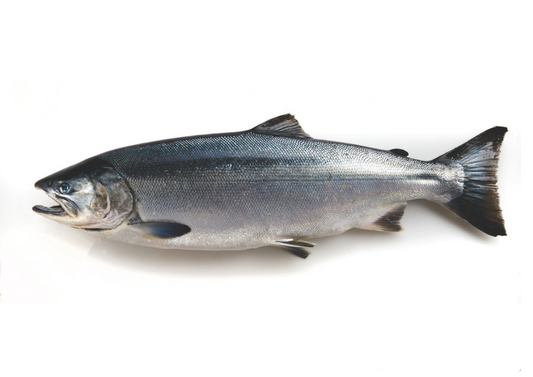
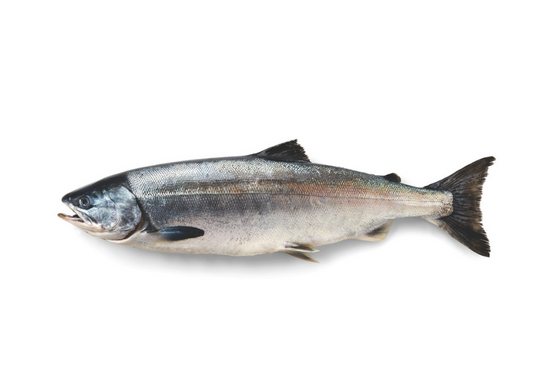
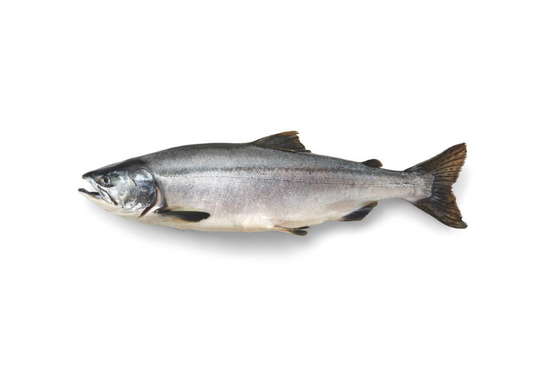
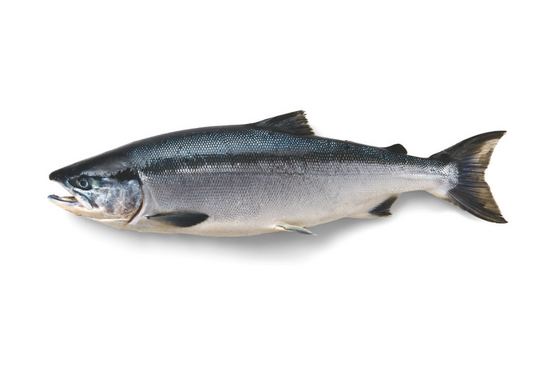
King Salmon (Oncorhynchus tshawytscha) is the rarest and most expensive among Copper River salmon, known for its more intense flavor and high fat content. King Salmon rarely reaches Brazil. Sockeye Salmon (Oncorhynchus nerka) has a vibrant red color and a fuller flavor, as well as being a slightly more accessible option, though still highly valued. This is the wild salmon that reaches Brazil.
Both are rich in omega-3s, but King Salmon stands out for its even more luxurious profile.
The Wagyu of Seafood

King Salmon (Oncorhynchus tshawytscha) is the most valued species of wild salmon, also known for reaching the largest sizes and weights among all varieties.
Copper River King Salmon has earned the title "The Wagyu of Seafood" and "The King of Kings of Salmon" for its succulent, buttery texture, a result of its wild genetics. These salmon carry the highest amount of omega-3 fatty acids compared to others. This is due to the biological need to store extra fat as energy to return to their breeding grounds along the Copper River.
The river is 300 miles long, flanked by enormous glaciers, and has an elevation gain of 3,600 feet, making it the most difficult migratory terrain for salmon in the world! Because of this arduous and icy journey, the salmon need to store extra fat and omega-3s, which gives them a buttery texture and robust flavor, attracting the attention of Michelin-starred chefs, restaurants, and renowned fish markets every year.
The river is 300 miles long, flanked by enormous glaciers, and has an elevation gain of 3,600 feet, making it the most difficult migratory terrain for salmon in the world! Because of this arduous and icy journey, the salmon need to store extra fat and omega-3s, which gives them a buttery texture and robust flavor, attracting the attention of Michelin-starred chefs, restaurants, and renowned fish markets every year.
Limited Availability
Unlike farmed salmon, which can be bought year-round, wild salmon has a short season and its quantity varies each year. This limitation makes the salmon even more coveted. Between mid-May and early June, King Salmon begins to appear in the waters of the Copper River, followed by Sockeye, which continues its run until early August. Later, Coho Salmon (Silver Salmon) closes the season, with catches lasting until September.
The seasonal nature and variability of its population make Copper River salmon a delicacy that must be acquired at the right time. Thus, those who wish to savor this exceptionally high-quality wild salmon throughout the year need to plan their purchase while it is available, taking the opportunity to secure this exceptional food until the next season.
Seasonality and Sustainability
Wild Copper River salmon is only fished for a few weeks between May and September. With strict control by the Alaskan government, fishing is limited to preserve fish populations, making it a model of sustainability. In the Copper River, regulations prohibit fixed nets, allow only specific fishing hours, and maintain protected areas, ensuring the continuity of the species.