
Cobia: The Marine Fish Revolutionizing Aquaculture in Brazil
Introduction to Cobia
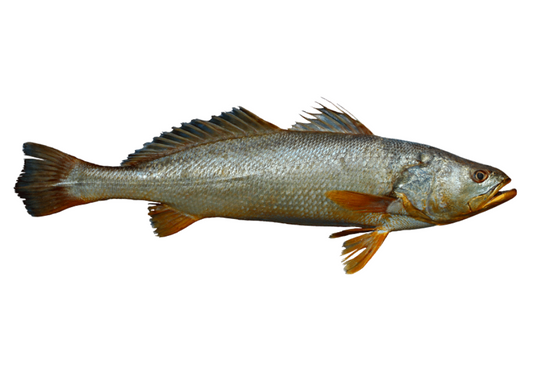
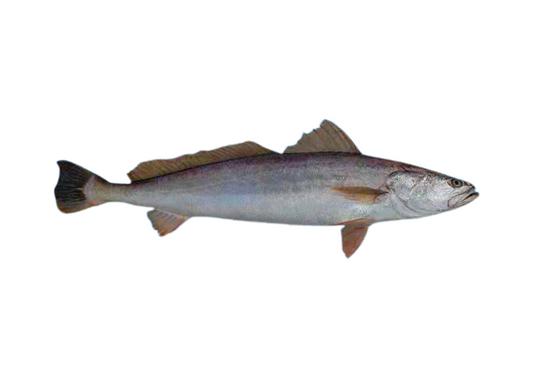
Cobia (Rachycentron canadum) is a marine fish gaining prominence in Brazilian aquaculture. Inhabiting both coastal areas and the open sea, this fish exhibits characteristics that make it an excellent option for captive breeding. With white, firm, and mild-flavored flesh, cobia has established itself as a profitable alternative for small and large entrepreneurs along the Brazilian coast.
Characteristics of Cobia
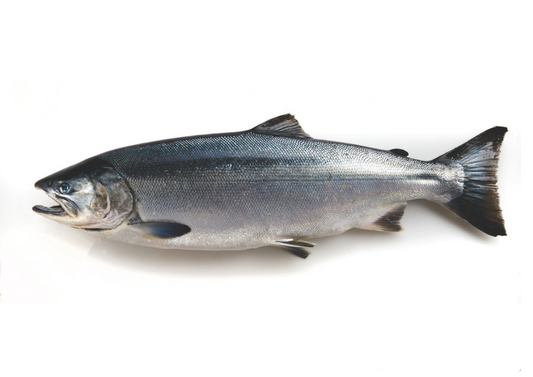
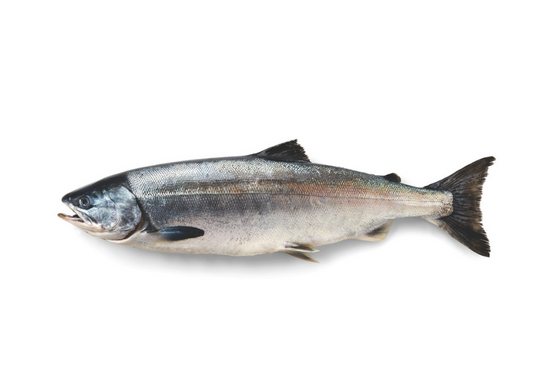
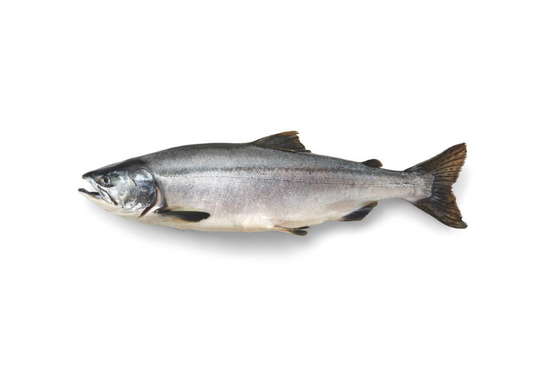
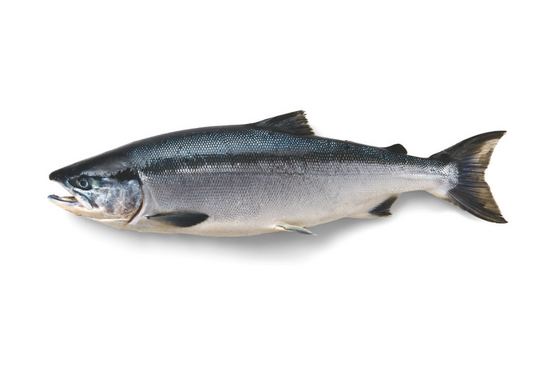
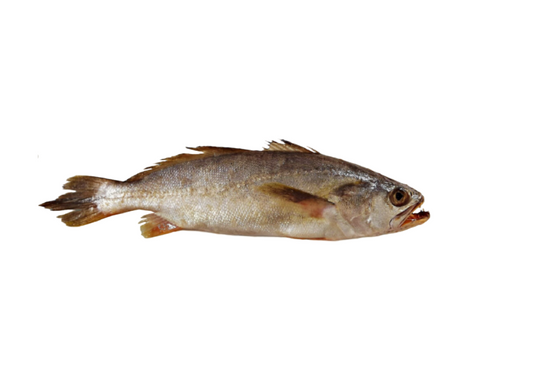
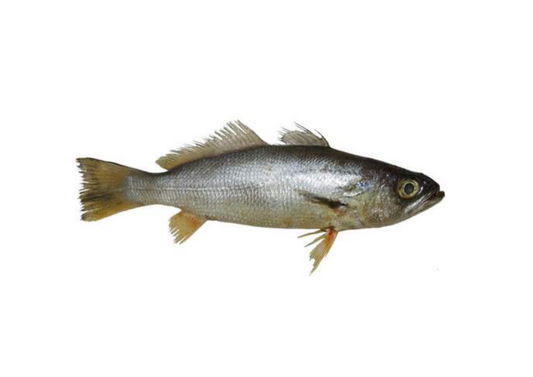
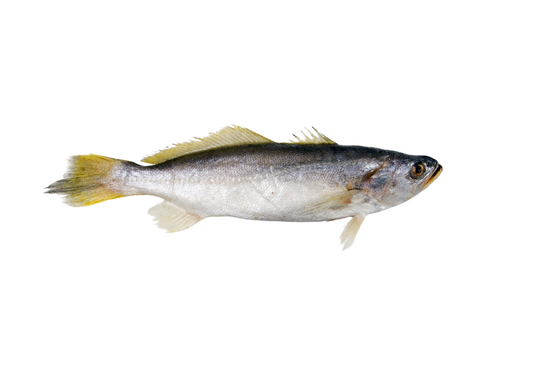
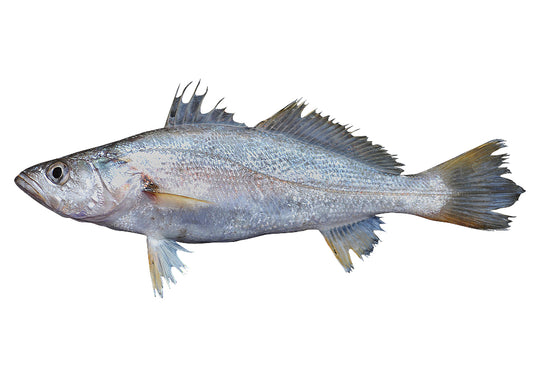
Cobia is easily recognizable by its elongated body and large, flattened head. It can reach up to 2 meters in length, although most specimens reach about 1 meter. Its back is dark brown with silvery lateral bands, and its flesh is highly valued for its elastic texture and mild flavor.
Benefits of Cobia Farming
Cobia farming offers several advantages for aquaculturists. Among the main ones are:
- High Productivity: Cobia has four times higher productivity than salmon, reaching 6 kilograms in one year and up to 15 kilograms in two years.
- Resilience and Rapid Growth: This fish is known for its resilience and ability to grow quickly in captivity, making it an excellent option for aquaculture.
- Low Calorie Content: Cobia meat is a lean protein source, ideal for those seeking a healthy diet.
- Low Complexity in Feeding: Cobia readily accepts extruded feed and can supplement its diet with leftovers from other fish.
Challenges and Solutions in Cobia Production
Despite its advantages, cobia production still faces challenges. Female spawning and larval rearing are complex stages that are currently best developed in the laboratory. To overcome these challenges, the São Vicente Foundation, through the National Marine Aquaculture Laboratory (Lanam), is heavily investing in cobia reproduction technology. With an initial investment of R$ 30 million and a total budget of R$ 500 million, Lanam aims to produce 1.5 million fingerlings per year, resolving the bottleneck in fingerling supply.
Environmental Impact and Sustainability
Cobia production is considered to have a low environmental impact. Captive breeding reduces pressure on wild populations and does not use antibiotics, minimizing the risk of disease transfer between fish populations. Furthermore, the amount of fish caught from the sea for feed production is less than that for captive cobia production.
The Market and Future of Cobia
With increasing consumer interest in healthy foods and growing demand for lean meats, cobia has great market potential. The expectation is that, with advances in technology and expanded production, cobia will become an even more accessible and popular option in Brazil and abroad.