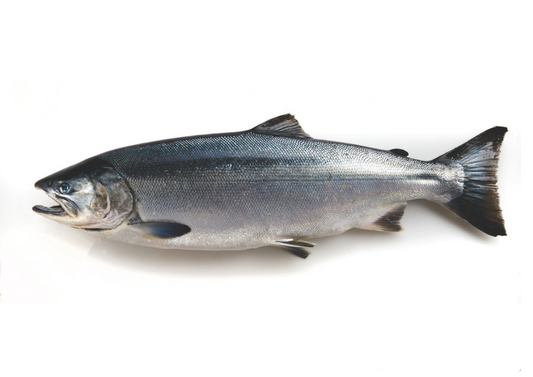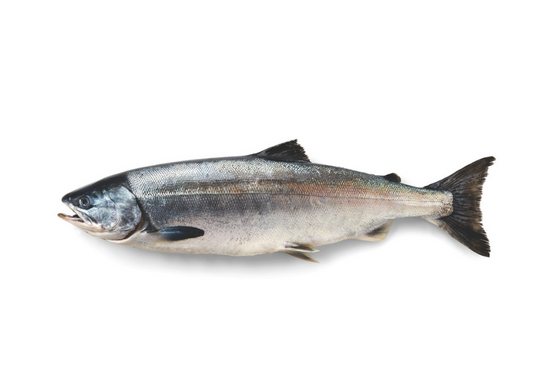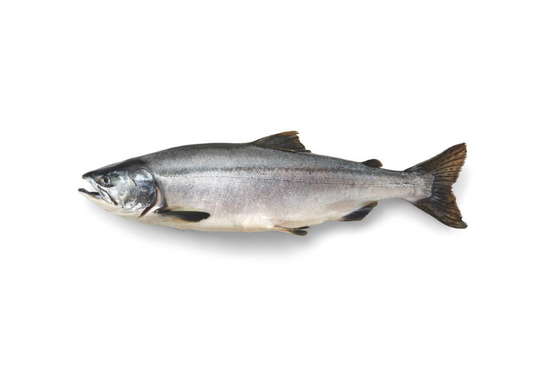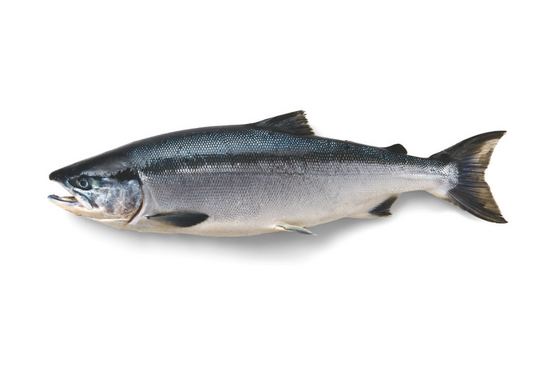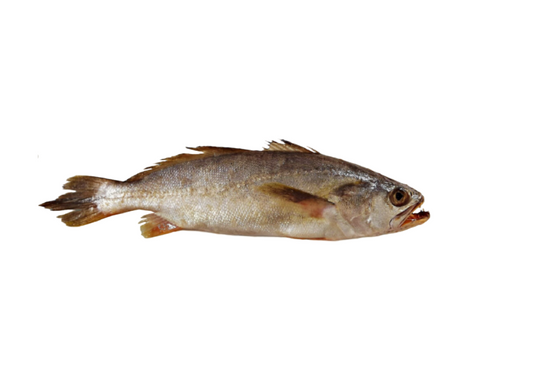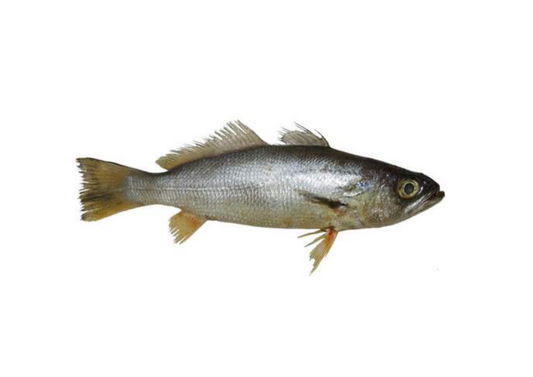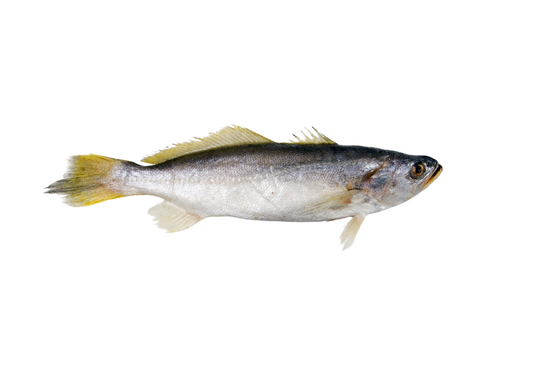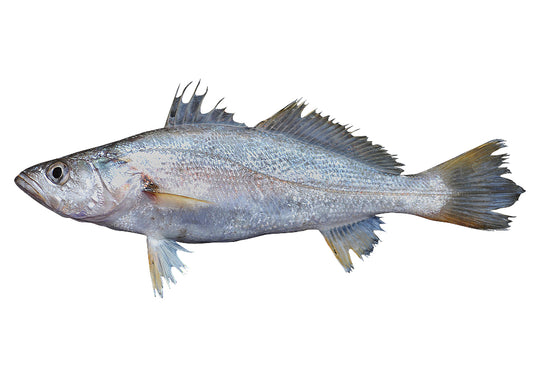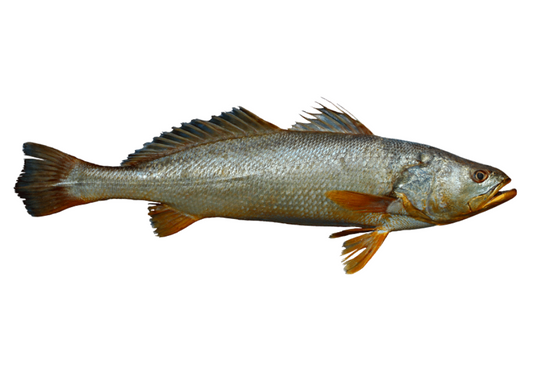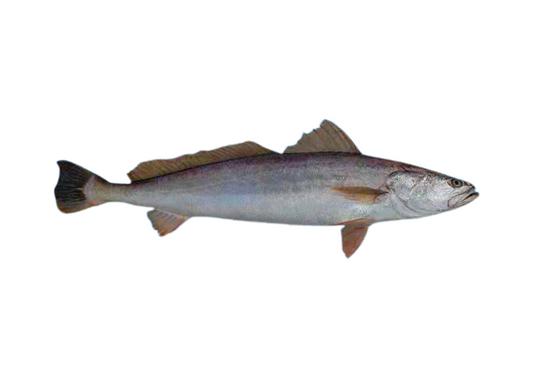

New Alaskan species arrive on the Brazilian market and become an excellent option and quality benchmark.
You surely know salmon, but between cod and black cod, fish from Alaska are becoming increasingly present in Brazil. 100% wild species, sustainably caught in one of the last marine sanctuaries on the planet. Each with unique characteristics that can revolutionize your kitchen.
Get ready to discover 5 fascinating species arriving in Brazil with unique stories and flavors!
Why is Alaska Special?
Alaska is not just a frozen region – it’s a true natural laboratory of sustainability. With over 50 years of dedication to responsible management of marine resources, it’s the only state with a constitution that requires all seafood to be managed under the sustained yield principle.
Official figures from the Alaska Seafood Marketing Institute:
- The seafood industry is Alaska’s largest private sector employer, with nearly 60% of all wild seafood and 90-95% of wild salmon harvested in the US coming from Alaska.
- Alaska is known for its whitefish varieties such as Pacific cod, sablefish, halibut, Alaska pollock, sole, and rockfish.
The 5 Stars of the Icy Seas
1. Cod (Pacific Cod) - The Noble Known
Scientific name: Gadus macrocephalus

It is very present in Brazil, a cod considered noble and very versatile. Moist, firm fillets with distinctive large flakes and a slightly sweet flavor.
Pacific cod is one of the largest groundfish fisheries in the US, with landings of over 500 million pounds valued at over $200 million annually. It is a schooling fish that travels from its deep spawning grounds to its shallower feeding grounds annually.
In the kitchen: This mildly sweet, firm, flaky white fish is versatile enough to be applicable in almost any recipe, including baking, poaching, steaming, sautéing, and frying.
2. Black Cod (Sablefish) - The Premium Star
Scientific name: Anoplopoma fimbria
The star of premium restaurants! Alaska sablefish, also known as black cod, is prized for its rich, melt-in-your-mouth flavor and succulent, velvety texture. It gained much notoriety in one of the world's most famous Japanese restaurants, Nobu - where it is prepared with miso.
Alaska sablefish has a higher oil content, making it unctuous and buttery, and difficult to overcook.
Fascinating fact: Wild sablefish have wide habitats and natural food sources that allow them to live for over 90 years! Alaska has the largest sablefish population in the world.
In the kitchen: This flaky, velvety, intensely flavorful white fish is difficult to overcook and takes well to marinades, sauces, and smoking. Widely emulated, look for Nobu Matsuhisa’s signature sablefish dish, Black Cod with Miso, as a delicious introduction.
3. Genuine Alaska Pollock - The Versatile Joker
Scientific name: Gadus chalcogrammus

Frozen blocks, ready for preparation straight from the freezer (cook it frozen), snow-white fillet, lean texture, and mild flavor that accepts all seasonings and techniques. A sure option that is even the star in a very famous sandwich.
Alaska pollock fishery is the largest sustainable fishery in the United States. Alaska pollock is known for its versatility, the snow-white fillet of Alaska pollock flakes beautifully and offers a lean texture and mild flavor.
Technical data: Alaska pollock is a member of the cod family and shares many of the same attributes. Average weight is 1.5 to 2 pounds.
In the kitchen: This tender, mild white fish is extremely versatile for use in a variety of different recipes that include frying, steaming, poaching, grilling, and baking.
4. Rockfish - The Future Discovery
Scientific name: Sebastes spp.
Alaska's best-kept secret! Still little known in Brazil, but with great potential. Alaska rockfish is excellent whether sautéed, baked, grilled, or broiled, and perfect combined with seasonings, marinades, or sauces.
Alaska is home to many species of Rockfish including Northern, dusky, canary, widow, shortraker, rougheye, thornyhead, Pacific Ocean perch, and many more. 37 species of rockfish live in Alaskan waters.
Curiosity: Many species of rockfish are extremely long-lived, with some living over 120 years!
In the kitchen: This tender, mild, meaty fish is versatile and lean, makes a perfect beer-battered taco, and is great for marinating.
5. Halibut - The Royalty of the Seas
Scientific name: Hippoglossus stenolepis
The royalty of whitefish! With its firm, flaky texture and delicate flavor, wild Alaska Pacific halibut has earned its reputation as the world's premium whitefish.
Female wild Alaska halibut can grow up to over 8 feet long and weigh over 500 pounds. Alaska halibut is a long-lived species with a life expectancy of up to 55 years.
In the kitchen: This lean, mild, meaty white fish is extremely versatile for use in a variety of different recipes that include baking, grilling, searing, sautéing, and steaming.
Availability in Brazil
When to Find Each Species (official ASMI data):
Genuine Alaska Pollock: Harvested in the Gulf of Alaska and Bering Sea from mid-January through April and from June through October, and is also available frozen year-round.
Sablefish (Black Cod): Available fresh from March to mid-November and frozen year-round.
Pacific Halibut: Harvested and available fresh from March to mid-November and frozen year-round.
Sustainability That Makes a Difference
Contrary to what many people think, there is wild fish that is also sustainable - and Alaska is living proof of that!
There, fishing is not uncontrolled or destructive, but part of a balanced and legally protected system. "Fish, forests, wildlife, grasslands and all other replenishable resources belonging to the State shall be utilized, developed and maintained on the sustained yield principle" – Article VIII, Alaska State Constitution.
How it works in practice:
- Managers conduct annual surveys or 'stock assessments' and use the data to determine the "total available" population, identify the "allowable catch," and establish a lower limit for "actual catch."
- This precautionary approach considers the surrounding ecosystem and changing environmental conditions to support the sustainability of wild populations in Alaska's waters.
Alaska pioneered the implementation of successful, science-based sustainable fisheries management practices. Now Alaska serves as a world leader and sets the gold standard for fisheries management.
Unique Nutritional Benefits (official ASMI data)
Genuine Alaska Pollock:
- Calories from wild Alaska pollock are 97% protein (compared to chicken breast [75%], lean ground beef [43%]).
- The high protein content of wild Alaska pollock is easily digestible and has all nine amino acids the body cannot produce – a complete protein of the highest quality.
Sablefish (Black Cod):
Wild Alaska sablefish is a powerhouse of long-chain omega-3 fatty acids DHA and EPA, with the highest content level among popular commercially harvested Alaska seafood.
Pacific Halibut:
The high protein content of wild Alaska halibut is easily digestible and has all nine amino acids the body cannot produce – a complete protein of the highest quality.
How to Choose and Prepare
Practical Tips based on official ASMI information:
For Beginners: Start with Genuine Alaska Pollock - mild flavor and extremely versatile. For Premium Experiences: Black Cod is difficult to overcook and has a unique texture. For Maximum Versatility: Pacific Cod adapts well to most cooking methods. To Impress: Halibut has earned a reputation as the world's premium whitefish. To Discover: Rockfish is versatile and perfect for marinades.