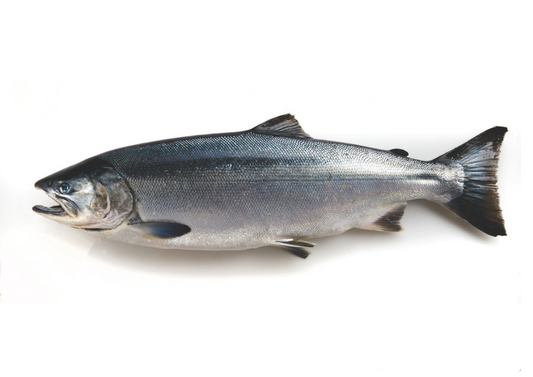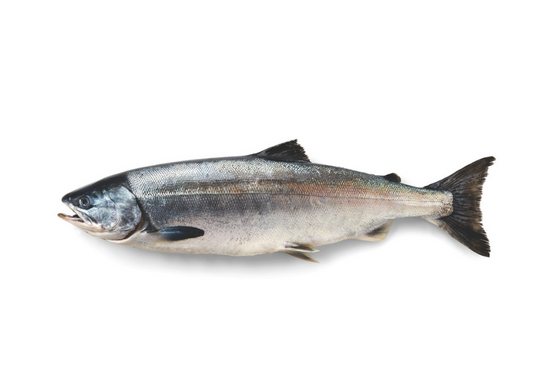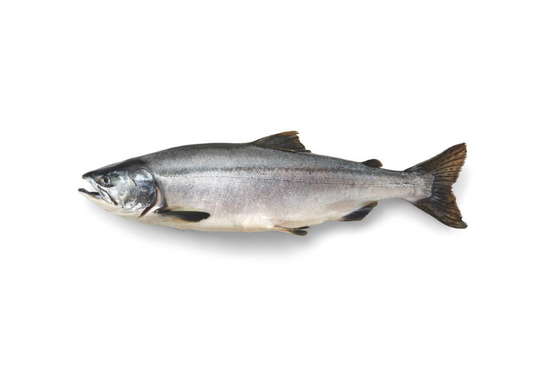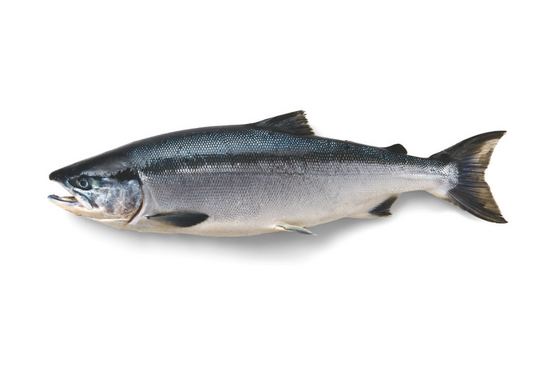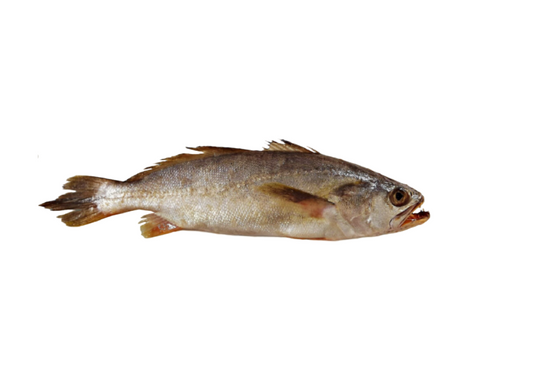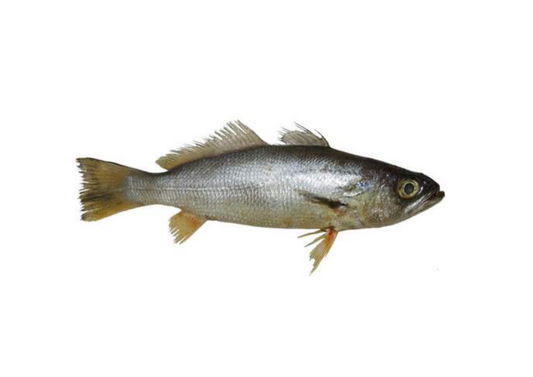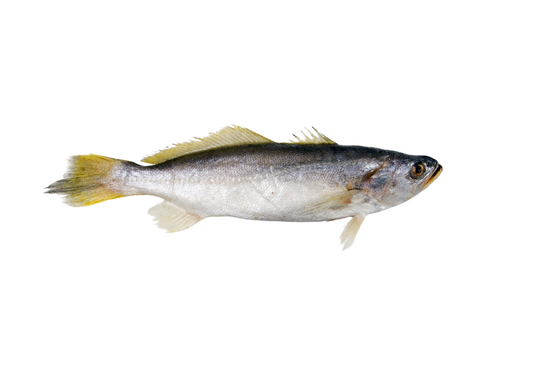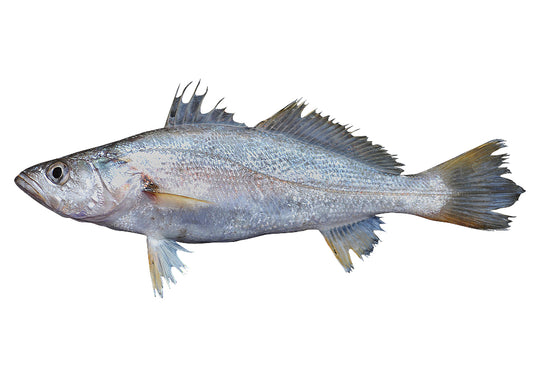

Understanding the characteristics of trout
For culinary enthusiasts, trout offers a universe of possibilities. Its delicate and flavorful meat adapts to various preparations, from raw (such as sushi and sashimi) to marinated and cooked. Whether grilled, baked, or braised, trout always surprises with its tender texture and distinctive flavor.
Although they share some similarities, trout differs from salmon due to its purer and more natural flavor, requiring fewer seasonings to enhance its qualities.
If you are looking for a unique and flavorful gastronomic experience, trout is the perfect choice. With its rich history and versatility in the kitchen, this fish conquers palates and becomes an essential ingredient for those who appreciate the best that cuisine has to offer.
Trout is a true delicacy in seafood cuisine. With delicate meat and a mild flavor, it lends itself to various preparations and combinations with sweet and sour sauces (orange, passion fruit, pineapple, honey, ...). Cooked vegetables and almond slivers also pair very well. Any of these combinations accompanied by a white wine, ohhh... it's hard to go wrong.
It is also possible to make caviar from trout roe, which by the way is said to be tastier and more beautiful than sturgeon roe caviar.
Is it true that trout are "cousins" of salmon?
Yes, trout are fish from the same family (Salmonidae) as salmon, but they live in fresh water. There are several species and sub-species of trout. The best known and most widely distributed species is the rainbow trout (Oncorhynchus mykiss), which is native to North America. In Brazil, this species is cultivated in the Paraíba valley (whose main reference is the Campos do Jordão/SP region, but also includes cities in the states of MG and RJ) and in the states of Santa Catarina and Rio Grande do Sul.

But after all, what is the origin of trout?
Here's a curiosity about the origin of trout: there are no native trout in the entire southern hemisphere of planet Earth. Although they have been introduced and are currently established (i.e., completing their reproductive cycle) in rivers in Brazil, Chile, Argentina, Australia, among others, it is important to understand that all trout are native to the northern hemisphere. Did you know that?
The economic versatility of trout.
Trout is synonymous with a niche market. Due to its peculiarities and requirements for environments with cold, clean water and high oxygen levels, trout are linked to regional businesses. However, they are of high economic relevance. This species attracts consumers and tourists interested in new gastronomic experiences. And whoever tries it, wants more! In the regions of Brazil where trout are cultivated, they are a sure presence on the menus of the most sophisticated restaurants.
In the realm of sport fishing, countries like Argentina and Uruguay receive fishermen from various parts of the world, where they enjoy the beautiful lodges exclusively dedicated to trout fishing.
For those who own property with an abundance of cold, clean water and high oxygen levels, it's a great business. This is a highly technical and high-operational-cost cultivation. But, by applying the right techniques, the financial result is positive.