
Mislabeling: what it is and why it compromises the quality of the fish we consume
Mislabeling, or incorrect labeling, is the practice of labeling a product in a way that does not reflect its true origin, species, or characteristics. Although this problem can occur in various sectors, it becomes especially serious in the fish market, directly impacting the quality and authenticity of the products that reach the consumer's table.
In the United States, for example, supplements move more than $37 billion annually, and labeling failures are so common that the FDA (Food and Drug Administration) frequently intervenes to remove products considered unsafe or misleading from the market. The scenario for fish is even more complex and worrying, especially considering the diversity of species and the globalization of the production chain.
How mislabeling occurs in the fish sector
The complexity of the fish production chain creates several opportunities for mislabeling to occur. From the capture or farming of the fish, through processing, transport, and storage, to the final labeling in the market, there are numerous steps where errors—intentional or not—can happen. This is particularly problematic when fish are filleted and processed without skin, as visual identification of the species becomes practically impossible.
Panga as Flounder.

One of the most frequent mislabeling cases in Brazil involves the sale of panga, a fish of low commercial value, as if it were flounder, a fish of higher value and quality. A study published in Science Direct in November 2021, funded by the National Council for Scientific and Technological Development (CNPq) and the Carlos Chagas Filho Foundation (FAPERJ), investigated this practice. Normative Instruction number 29 (IN 29) from the Brazilian Ministry of Agriculture allows only fish from the genera Syacium and Paralichthys (Paralichthyidae family) to be sold as “flounder”. However, panga (Pangasianodon hypophthalmus) is illegally used as a substitute.

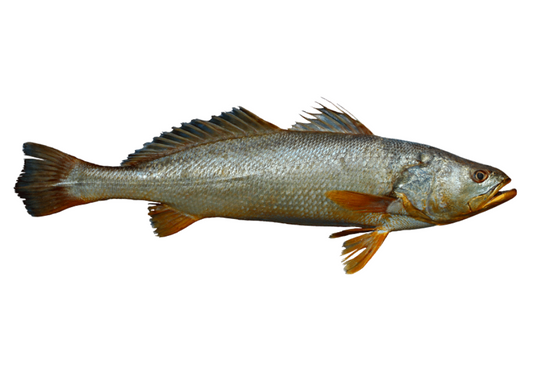
Flounder - (paralichthys brasiliensis)

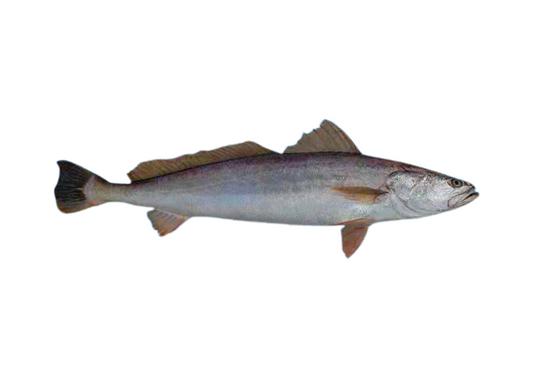
Panga (Pangasianodon hypophthalmus)
In the study, 260 seafood samples were analyzed and subjected to DNA sequencing to ensure species identification. About half of the samples were mislabeled, with over 75% of substitutions involving panga. The mislabeling rate was higher in restaurants (82%), likely due to a lack of rigorous inspection, in contrast to supermarkets, where rates were lower due to more frequent federal inspections.
This substitution practice not only represents economic fraud but can also affect consumer health and hinders the inspection of endangered species.
When Mislabeling Worsens Illegal Trade and Fraud of Endangered Species: Study Reveals Mero Commercialization in Brazil
Goliath Grouper as Grouper
A recent study, published in February and conducted by Projeto Meros do Brasil, funded by Petrobras, investigated the commercialization of fish sold as grouper in the North and South regions of Brazil. The main objective was to verify if goliath grouper (Epinephelus itajara) was being illegally traded. The goliath grouper, the largest fish in the Atlantic, inhabits marine and estuarine environments, can live up to 37 years, reach 2.5 meters in length, and weigh up to 320 kg. In Brazil, this species is considered Critically Endangered and protected by law since 2002. However, despite legal protections, goliath grouper continues to be illegally sold, especially in areas where enforcement is difficult, such as the extensive coast of the North region.
The research focused on the analysis of fish fillets, loins, and steaks, which are often sold in disfigured forms (filleted or skinless), making visual identification by enforcement authorities difficult. To overcome this difficulty, the technique of DNA barcoding was used, which allows precise species identification through sequencing a small standard DNA region, similar to a barcode.
Samples were collected in fish markets in Bragança (Pará) in the North region and in São Paulo and Paraná in the South region. DNA barcoding confirmed the presence of E. itajara in 84.6% of the analyzed samples, identifying 17 out of 22 samples as actually being goliath grouper. The study revealed the occurrence of two crimes: the illegal trade of E. itajara and commercial fraud through species substitution.
How commercial nomenclature rules often facilitate mislabeling
The controversial "cação." What kind of fish is "cação," after all?
In Brazil, we have the case of "cação," which is, in fact, a generic commercial name for various shark species. According to Normative Instruction nº 53, of September 1, 2020, from the Ministry of Agriculture, Livestock, and Supply, the term "cação" can be used for several shark species allowed for consumption. Although legal, this term confuses many consumers, who do not associate "cação" meat with shark, creating a mistaken perception of what they are consuming.
Furthermore, as the labeling rule allows several species to use the same commercial name, enforcement becomes very difficult, opening a large loophole for true mislabeling. In the case of sharks, it is common to find ray steaks and prohibited species sold under the name "cação."
It is essential to understand: "cação" is shark. Although not prohibited in Brazil, "cação" consumption requires more careful consideration, taking into account the ethical, conservation, and health issues involved in shark consumption.
How consumers can protect themselves
For consumers, protecting themselves from mislabeling is a challenge, but some attitudes can help:
-
Prefer certified fish: Opt for products with quality and sustainability seals, which guarantee greater transparency.
-
Consult origin: Ask about the origin and species of the fish, especially in markets and restaurants.
-
Seek information: Always pay attention to news and information about the types of fish consumed and the risks of mislabeling.
Towards a more transparent fish supply chain
Fish mislabeling is not just a matter of economic fraud, but also of food safety and sustainability. As the sector invests in traceability and transparency, we expect practices such as mislabeling to be reduced. For consumers, being informed is the first step to ensure the quality of what reaches their plate.
How fishmongers and markets can differentiate themselves by offering more transparency to consumers
One of the smartest ways for fishmongers and markets to stand out is by providing both the popular and scientific names of each species in product identification. This practice promotes clarity and helps consumers know exactly what they are buying. FishCode offers a complete and always updated database that can assist in accurate and informative labeling. Through identification that includes photos and QR Codes, consumers can access detailed information and tips about the species, creating a safer and more transparent shopping experience.