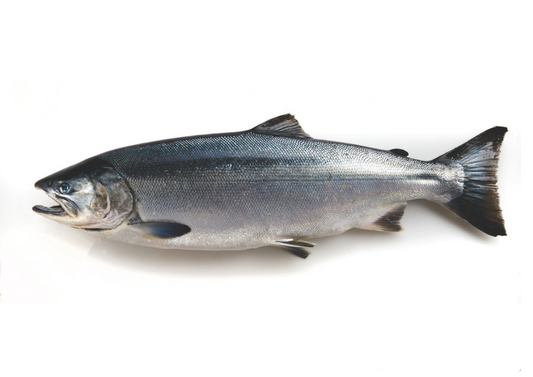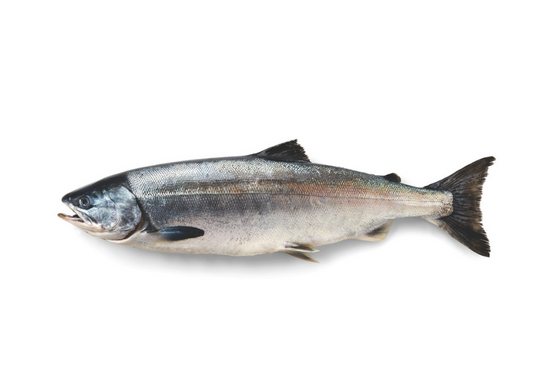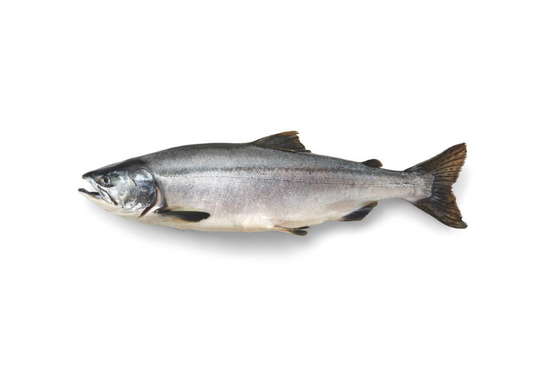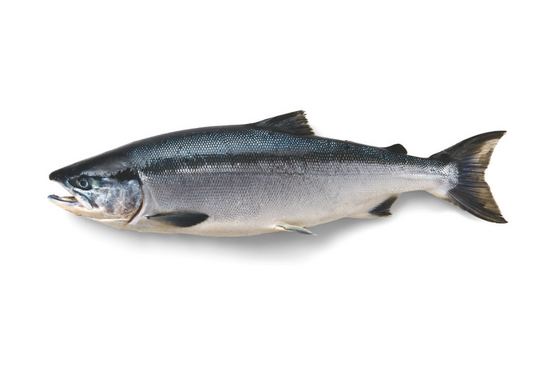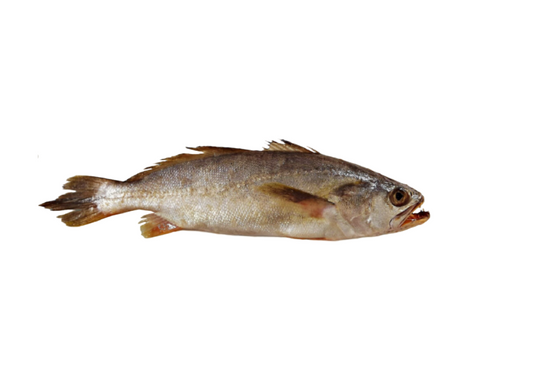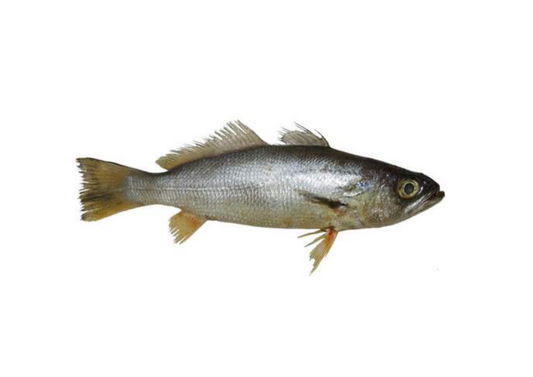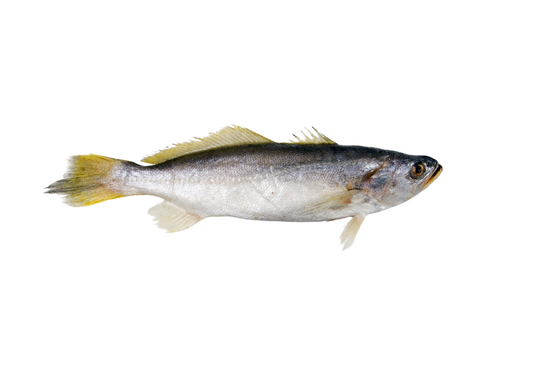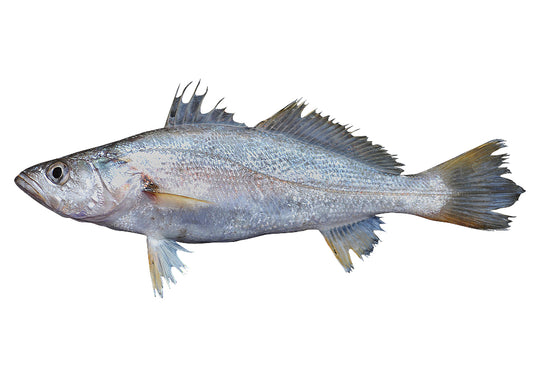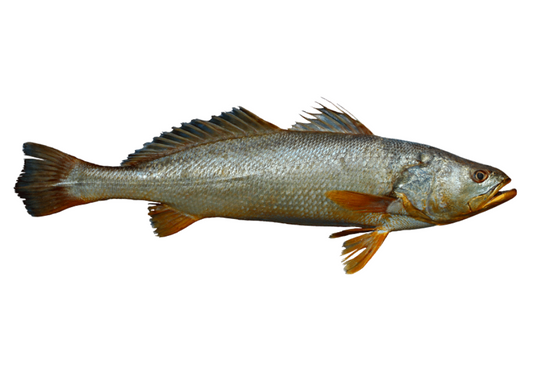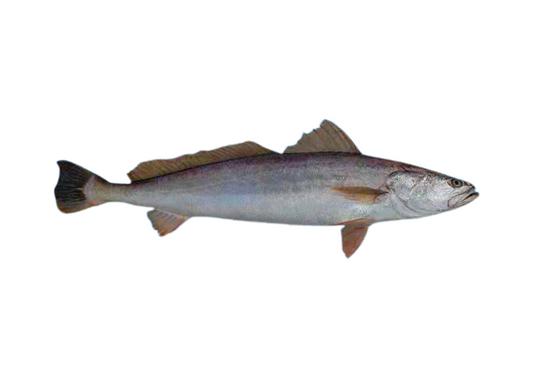

The dusky grouper (Epinephelus marginatus) is one of the noblest fish on our coast.
What is Grouper meat like?
In addition to being extremely tasty, the meat has a very white color, a thick fillet, perfect texture, and a perfect balance of fat. This makes grouper a star of refined cuisine, desired by the best chefs.
Where do Groupers live?
This iconic fish is featured on our R$100 bill. It is present throughout almost the entire Brazilian coast and also in the Mediterranean. The species can reach up to 1.5 m in total length and about 60 kg, with the largest ones almost always being males.
Is Grouper at risk of extinction?
Because it is highly valued and extremely coveted by amateur and professional fishermen, the dusky grouper entered (in 2018) the list of vulnerable species that are at some risk of extinction. From then on, a recovery plan for this species was defined, where, in addition to a closed season, which is a law prohibiting fishing for this species during the breeding period, minimum and maximum sizes for capture were also established.
In the case of grouper, the closed season occurs during the months of November, December, January, and February. Therefore, if grouper is being sold as fresh during these months, be suspicious! It might have been caught during a prohibited period! Regarding sizes, it is also important to pay attention: a minimum of 47 cm and a maximum of 73 cm.
The legislation itself does not guarantee that populations will recover, therefore it is necessary that research, monitoring, inspection activities, and, most importantly, conscious consumption, be constant and implemented with criteria and rigor.
It is also very important to know the types of fishing to understand who are the real villains that put the grouper at risk.
How are Groupers fished?
This species lives at depths between 10 to 50 meters, it is a territorial fish found on rocky shores, rocks, and slabs. Therefore, for grouper fishing, trawl nets, one of the most damaging methods to the environment, for example, are not used.
Grouper fishing can occur in the following ways:
Artisanal fishing: small boats and canoes using the hook-and-line and longline technique. Low-impact fishing on the environment.
Selective fishing: typically spearfishing or sport fishing where the fisherman has the opportunity to decide before culling the fish. This fishing also represents a low risk to the environment.
Industrial fishing: larger boats with high autonomy that use the longline technique at all depths. High-impact fishing on the environment.
Compressor or cylinder fishing: this fishing method is prohibited by law in Brazil, but unfortunately is still practiced to catch mainly groupers, snappers, and lobsters. The diver descends using compressed air or oxygen and culls as many groupers as they find. This fishing method is extremely damaging to the environment because it can wipe out all breeding stock in a given area at once.
Amateur and artisanal fishermen from fishing communities have very little impact on the current situation of the grouper.
As consumers, it is important to question the origin of the fish offered in markets, fishmongers, and restaurants and to inform ourselves so as not to contribute to illegal practices that endanger this wonderful species.
The good news is that in Brazil there are already initiatives, very advanced by the way, that are working on the commercial farming of dusky grouper. In Bahia, for example, there are already two ongoing projects that can forever change the supply of grouper for consumption, offering quality fish without impacting the environment.
Learn more about the Grouper:
Curiosities about the dusky grouper Epinephelus marginatus:
_ The dusky grouper is a protogynous hermaphrodite, meaning fish that begin life as females and become males after reaching a certain size or age;
_ Sexual transition to male occurs between 9 and 16 years of age, and in some cases, it can occur earlier (~ 7 years);
_ The dusky grouper has a high longevity, being able to reach up to 60 years of age
_ The dusky grouper belongs to the family Epinephelidae, the same as snappers, chernes, and the Goliath grouper. To be sure if the species in question is truly the dusky grouper, simply observe whether the tips of the fins have a well-defined white outline.
Learn more about Grouper here at Fishcode:
dusky grouper (Epinephelus marginatus)