
A difficult, delicate, but necessary topic.
Source: PAN Sharks -
National Action Plan for the Conservation of Endangered Marine Sharks and Rays
What kind of fish is dogfish?
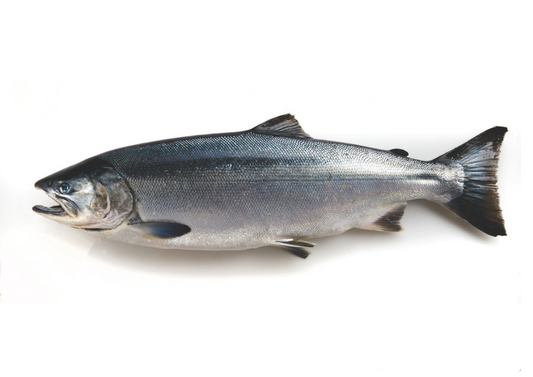
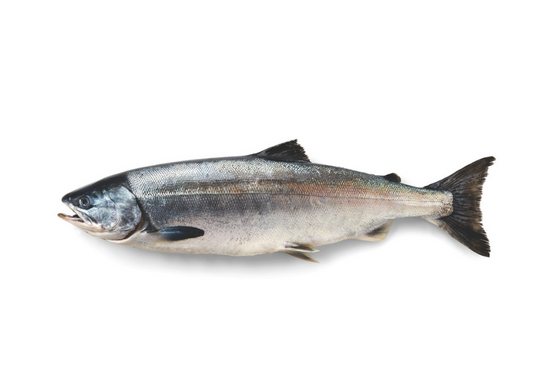
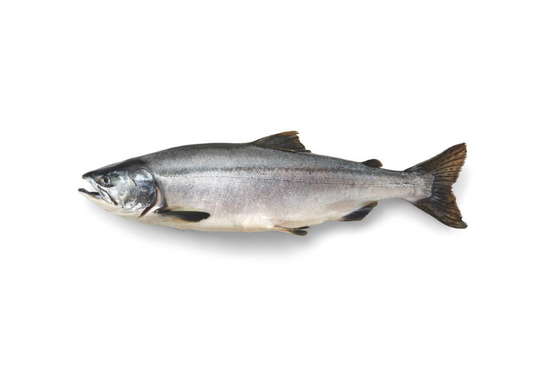
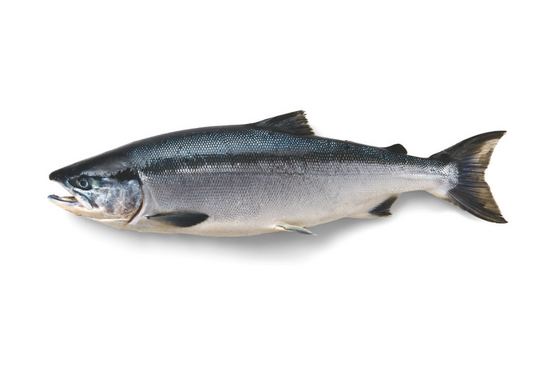
Dogfish is a generic name given to sharks in Brazil. Dogfish has become a "product" that encompasses numerous shark species. The main one, commercialized and consumed in Brazil, is the blue shark (Prionace glauca).
Before addressing the topic of dogfish consumption, it's necessary to understand who sharks are, their role in nature, and why we cannot compare them to bony fish.
Dogfish or Sharks and Rays are cartilaginous fish also known as elasmobranchs (class Chondrichthyes: chóndros = cartilage and ichthýs = fish), whose skeleton is composed of mineralized cartilage and not true bones.
What is the importance of sharks in nature?
Cartilaginous fish appeared on Earth approximately 420 million years ago, and their evolutionary lineage is very ancient. Despite the various extinctions that have occurred on the planet, these fish still exist today. They play an important role in the ocean's food pyramid, as they feed on a wide variety of bony fish and other organisms.
Are sharks or dogfish endangered?
Overfishing of Sharks and Rays over decades has caused a dramatic reduction in their populations, resulting in severe environmental consequences. This is due to the fragility of these animals' life cycle, which includes low offspring production, slow growth, and late maturity. As a result, their repopulation capacity is almost non-existent, as mortality exceeds their reproductive capacity. In other words, more elasmobranchs are dying than being born.
Is Eating Dogfish Prohibited?
The PAN Sharks book (National Action Plan for the Conservation of Endangered Marine Sharks and Rays) focuses on 12 endangered species (IN MMA nº 05/2004), which are distributed along the Brazilian coast up to the outermost limit of its Exclusive Economic Zone (EEZ).
Isogomphodon oxyrhynchus (hooktooth shark); Squatina occulta (smooth angelshark); Rhinobatos horkelii (Brazilian guitarfish); Cetorhinus maximus (basking shark); Mustelus schmitti (narrowfin smooth-hound); Squatina guggenheim (spiny angelshark); Galeorhinus galeus (tope shark); Ginglymostoma cirratum (nurse shark); Negaprion brevirostris (lemon shark); Pristis pectinata (smalltooth sawfish); Pristis pristis (common sawfish); Rhincodon typus (whale shark).
According to Ibama Ordinance 445, in 2023, 5 more species were added: These are: Carcharhinus acronotus – blacknose shark, Carcharhinus brevipinna – spinner shark, Carcharhinus falciformis – silky shark, Carcharhinus leucas – bull shark, and Isurus oxyrinchus – shortfin mako shark.
This prohibition was brought forward to May 22, 2023.
Animals with spectacular abilities
Sharks are animals with fantastic abilities; observe:
We, humans, perceive chemical, luminous, and mechanical stimuli through five different senses. These fish, however, can perceive chemical, luminous, mechanical, and electromagnetic stimuli. While we use five senses to detect three types of stimuli, they use seven senses to capture four types of stimuli. And despite what many people think, these fish have very good vision and can see well even in the dark.
Ultimately: To Eat or Not to Eat Dogfish?
Dogfish meat is white, tasty, and has few bones, but as apex predators, they can have high levels of heavy metals.
Another point is the lack of control in fishing. Although not prohibited, fishing of many species lacks control levels, suggesting illegal practices.
In addition to their importance in the ecosystem, sharks and rays are beautiful, imposing, and inspiring animals.
Here at FishCode, our classification for dogfish is AVOID CONSUMING. For all the reasons we cited here as characteristics of these fantastic species.
Finally, here is an excerpt from the Book: National Action Plan for the Conservation of Endangered Marine Sharks and Rays, explaining how we can do our part to help cartilaginous fish or elasmobranchs.
What can you do to help?
1 – Take an interest in the subject, read about these animals, and learn about what researchers are doing. This makes it easier to change the negative perception about elasmobranchs, where the general (and very wrong) idea is that sharks are dangerous and murderous animals. There is much more to know and be enchanted by. Furthermore, you will be better equipped to argue and adopt positive attitudes;
2 – Inform yourself about campaigns, petitions, other actions and initiatives aimed at the conservation of elasmobranchs and the marine environment as a whole (for example, campaigns for the correct disposal of plastic waste), as it is impossible to protect elasmobranchs without including the preservation of the marine environment as a whole. Support and encourage initiatives to create marine protected areas;
3 – Avoid consuming elasmobranch meat, as a large part of what is commercialized involves endangered species, caught illegally and without any regulation. Even when this is not the case, if possible, do not consume meat from these animals, remembering that many are in population decline and have high levels of heavy metals. Do not encourage the trade, dissemination, and use of ornamental products made from elasmobranch parts (tooth pendants and necklaces, artifacts made from their leather, decorative pieces, etc.). Imagine decorating your house with the head of a jaguar or wearing a coat made from polar bear skin. It is in extremely bad taste!
4 – Report environmental crimes provided by law. Inform authorities about endangered species caught illegally;
5 – Spread these ideas among your friends, relatives, neighbors, colleagues, and anyone else possible. Teach this to your children and grandchildren so that they do not run the risk of finding, in the future, a world where these animals are just museum pieces, photographs, and sensationalist stories, and, even worse, where the marine ecosystem is deserted, dirty, ugly, sad, and sick."