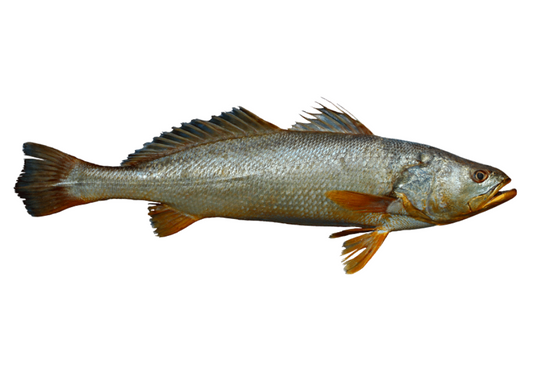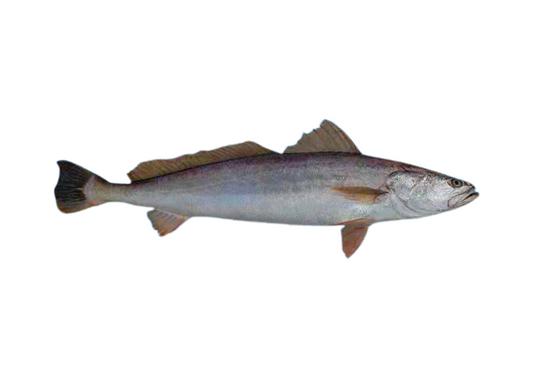

Understand why aquatic protein, fish, and seafood from sustainable farming are an excellent option and what myths you don't need to worry about.
Before we begin, we need to understand what Aquaculture, pisciculture, or farming is.What is Aquaculture?
It is the farming of aquatic organisms, whether in fresh or salt water, involving fish, crustaceans (mainly shrimp), bivalve mollusks (oysters, mussels, and scallops), microalgae, macroalgae, and even alligators, frogs, and freshwater turtles (yes, there is commercial farming of Amazonian turtles).
They are raised sustainably through various farming systems: excavated ponds, net pens, large reservoirs or dams, elevated tanks lined with geomembrane, and even on ropes, as in the case of oysters, mussels, and scallops (the latter, "lanterns" fixed on ropes).
Which main fish and seafood come from aquaculture?
Produced here in Brazil, we have: tilapia, tambaqui, and marine shrimp. These are the 3 main species, but we also have commercial farming of trout, pintado, pacu, matrinxã, piaus, carps, lambari, pirarucu, freshwater shrimp, frogs, alligators, and a host of others.
Saltwater farming is also growing, and today we have scallops, mussels, oysters, and with scientific and technological advances, we now have groupers and bijupirá cultivated in Brazil! Two fantastic and now sustainable fish.
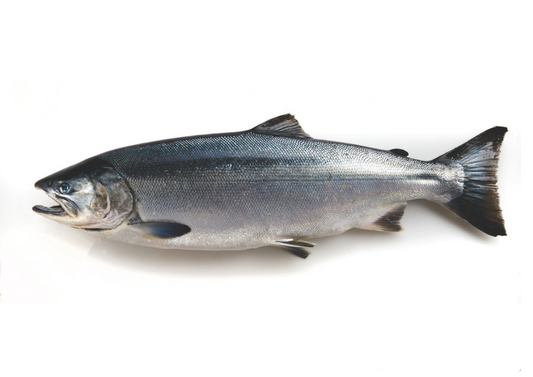
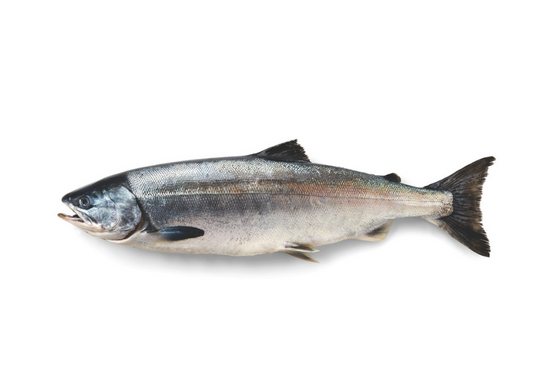
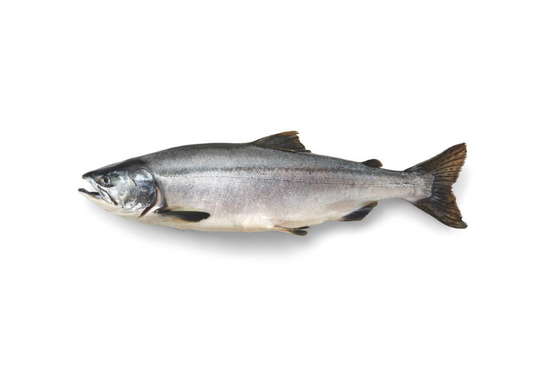
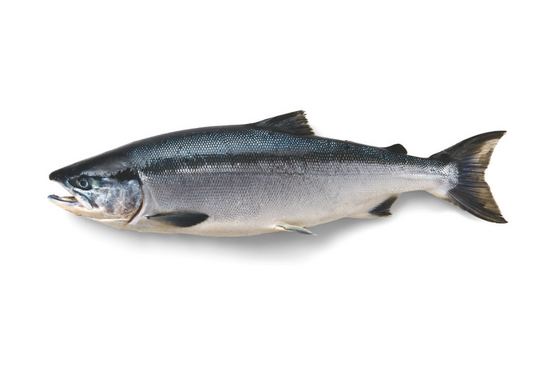
Globally, carps (Hungarian, grass, bighead, ...) lead as the most cultivated in terms of quantity (China and temperate climate countries produce a lot of carp). From a commercial perspective, salmon (second most farmed species), marine shrimp, and tilapia (fourth most cultivated species) are the most important. Pangasius farming, known in Brazil as Panga fish, is also quite representative. Around the world, sole, grouper, eel, amberjack, among others, are also farmed.
Why is aquaculture extremely strategic for global food security?
In November 2022, the world population reached 8 billion people. By 2050, the population is estimated to be 9.7 billion people. That is, 1.7 billion more people to feed. Arable land worldwide is already fully occupied. Some initiatives seek to produce food in the desert, but at a high cost. In the case of aquatic protein, we have not yet explored even 1% of the available water resources (freshwater + saltwater). Terrestrial proteins already benefit from the 30% increase in productivity that genetic improvement and adequate nutrition can provide. In the case of aquatic organisms, we still have a lot to advance in improvements related to better performance with a view to increasing productivity. In terms of energy efficiency, aquatic animals are poikilothermic (cold-blooded animals), so they do not expend energy to control their temperature. Also, by living in water, they expend less energy to move. There is also the fact that they excrete nitrogenous compounds in the form of ammonia, a more direct and efficient metabolic pathway than terrestrial animals, which excrete in the form of urea (mammals) and uric acid (birds and reptiles). It is not surprising that salmon, even though it is a carnivorous fish (as a rule, they are more demanding in protein and less efficient in conversion), already achieves the incredible mark of 1:1 feed conversion, that is, one kilogram of feed provided for one kilogram of live weight converted.
According to the OECD-FAO Agricultural Outlook 2016-2025 report, aquatic protein, combining Aquaculture + Commercial Fishing, is already the most consumed animal protein in the world (with pork being the second). Do you still doubt that aquatic protein is the new frontier for feeding the world?
What are the advantages of buying farmed fish?
Sustainable farming, traceability, slaughter according to animal welfare rules, better quality of the cold chain during transport and storage, food safety, consistency in supply, and more competitive prices are some of the advantages.
3 Myths about farmed fish that you should forget!
Fish raised in earthen ponds taste like mud!
Both fish caught in rivers and fish raised in net pens or excavated ponds can occasionally present an strange flavor (off-flavor), popularly known as "muddy taste." But it is not the fish's contact with the bottom of the pond or river that transfers this flavor to the meat. What can actually provide this undesirable taste are two organic compounds produced by blue-green algae: Geosmin and Methylisoborneol. These algae occur naturally and, in addition to being a source of oxygen for the water, also serve as food for fish. However, at certain times of the year, especially at the beginning of summer, it is natural for the blooming and excessive proliferation of these algae, which becomes a problem when fish ingest too many blue-green algae. The good news is that both geosmin and methylisoborneol are volatile. That is, in a short time, these substances end up detaching from the fish's fat when they are alive and not after slaughter! Thus, farmed fish, whether raised in earthen ponds or net pens, undergo the "Off-flavor" test before being slaughtered. If a muddy taste is eventually identified, these fish are transferred to a tank with clean water and high circulation before slaughter. About 1 to 2 days in these tanks are sufficient to eliminate the undesirable compounds. Nowadays, it is very rare for fish raised in fish farms to have a muddy taste. To learn more, access the link: ....
Farmed fish are less flavorful!
It's impossible to establish any correlation in this regard. Many variables can influence the taste of fish, the main ones being slaughter and conservation respecting the cold chain. In the case of farmed organisms, stunning followed by slaughter occurs in very cold water, and from then on, they remain in the cold chain, ensuring better preservation of the original taste and texture characteristics of the meat. Significant advances have occurred in recent years regarding slaughter and conservation techniques for commercially caught fish. Which is very good! But there are still aspects related to species, age (the older, the less flavorful), whether freshwater or saltwater, storage time, among others. As a rule, if properly preserved respecting the cold chain, both are excellent!
Farmed fish do not have the same nutritional properties as wild-caught fish!
Fact! Differences in nutritional composition exist due to several factors and are not related only to whether they are farmed or commercially caught. By way of illustration, it is currently possible to produce, for example, fish richer in omega-3. It is also a fact that the chances of heavy metal accumulation in farmed fish are practically non-existent! Another fact is that even with occasional differences in nutritional composition, fish still remains a rich and nutritious food.
Marine shrimp are farmed in mangrove areas!
Have you ever been to or seen a mangrove up close? If so, can you imagine a backhoe-type tractor digging a 2-3 hectare pond in the middle of a mangrove? Well, it is technically impossible to build a shrimp farm on top of a mangrove. Even if there were technology to build these ponds, it is soil that has been decomposing leaves for thousands of years and is, therefore, extremely acidic and with a high amount of organic matter, which would make shrimp farming in such an area unfeasible. On the other hand, it is a fact that some farms are indeed next to mangrove areas and that part of the mangrove vegetation may eventually be suppressed for the construction of an embankment or road. Now, to claim that most of the marine shrimp production in Brazil occurs in areas that were once mangroves is, at the very least, a case of irresponsible and biased environmentalism. By the way, there is scientific evidence that records the increase in mangrove areas in Brazil.
Conclusion
Aquaculture is one of the world's great bets to find the challenging balance point between animal protein consumption and sustainability. Developed countries are investing heavily in technology to evolve marine farms and fish farming, increasing the number of species adapted to cultivation. Bijupirá, amberjack, grouper, tambaqui, pirarucu, scallops, oysters, lobsters, and even octopus are commercially important species that are moving towards sustainable production.
Here at FishCode, you can consult each species and learn everything about them, from recommended preparation to sustainability risk.