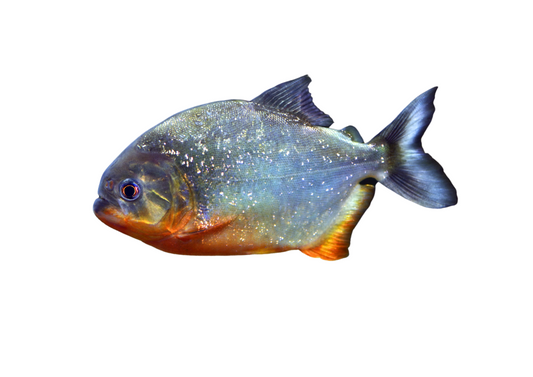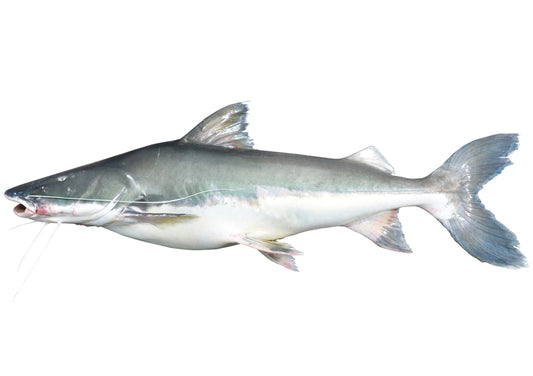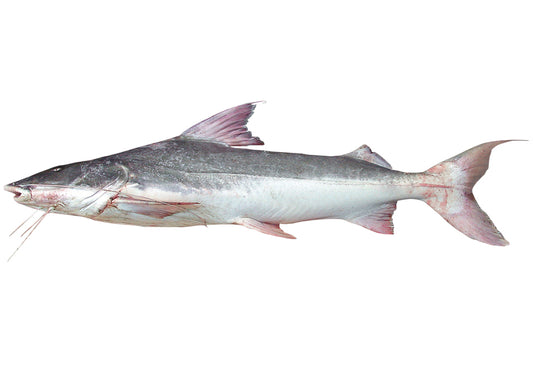

Brazil boasts a rich variety of aquatic proteins, and among them, tambaqui (Colossoma macropomum) stands out as a true national gem. Native to the Amazon basin, this freshwater fish captivates palates with its mild flavor and white flesh, in addition to offering several advantages for aquaculture and the Brazilian economy.
National Production:
Rondônia leads the production of farmed tambaqui, but states such as Maranhão, Pará, Amazonas, and Roraima also stand out in this scenario. The cultivation cycle ranges from 8 to 18 months, resulting in fish weighing between 1 and 2 kg, or even more, depending on the rearing time.
What does Tambaqui taste like?
Flavor and Versatility:
Tambaqui has a mild flavor and firm texture, pleasing even the most demanding palates. Its white flesh and few bones make it easy to prepare and versatile for various recipes. Grilled tambaqui fillet and grilled or fried ribs are some of the most appreciated dishes.
- Tambaqui Ribs, an internationally recognized delicacy
Tambaqui Ribs, taken from the dorsal part of this Amazonian fish with a rhomboidal body and thick scales, are a true delicacy that combines remarkable flavor and tender texture. Tambaqui, known for its succulent and protein-rich flesh, has molar-like teeth that help it crush food, reflecting its robustness. These ribs provide a unique gastronomic experience, especially when grilled over coals or barbecued, where the smoky flavor stands out. The belly, from the stomach area, offers incomparable tenderness, resulting in a healthy meal, rich in nutrients, and deeply connected to the authentic flavors of the Amazon.
- How to prepare Tambaqui Ribs
Tambaqui Ribs are simple to prepare and, with a few precautions, can become an irresistible dish. When buying frozen, it's best to thaw them slowly in the refrigerator, preserving their flavor and texture. Before frying or grilling, thoroughly pat the ribs dry with paper towels to remove excess water, which prevents issues during cooking and ensures a crispier crust. Season with salt and black pepper just right, and add lemon only after cooking, enhancing the flavors without interfering with the cooking of the meat. Since this part of the fish is rich in fat, when grilling over coals, the secret is to let it cook until the fat melts, resulting in a golden and crispy surface, without losing its internal juiciness. If you choose to bake it, covering with aluminum foil initially helps maintain moisture, finishing without the foil to ensure a crispier texture.
How much does a kilogram of Tambaqui cost?
Affordable Price:
Compared to other proteins, tambaqui has an attractive price, ranging from R$15.00 to R$40.00 per kilogram. This characteristic, combined with the quality and flavor of the meat, makes it an excellent option for those seeking nutritious and tasty food without breaking the bank.
Feeding and Sustainability:
Tambaqui is an omnivorous fish, with a diet rich in fruits, seeds, insects, and other aquatic organisms. This characteristic facilitates its management in captivity, in addition to contributing to the sustainability of production.

National Presence:
Although originally from the Amazon, tambaqui is easily found in markets and fishmongers throughout Brazil, including in the South, Southeast, and Northeast regions. "Tambaqui ribs" are one of the most popular cuts and can be found in various supermarkets.
Health Benefits:
Tambaqui is rich in proteins, vitamins, and minerals, such as omega 3, phosphorus, and potassium. These nutrients are essential for the proper functioning of the body, contributing to cardiovascular, muscular, and brain health.
Tambaqui represents an important source of protein for the Brazilian population, in addition to being a tasty, versatile, and accessible food. Its captive production boosts the national economy, especially in the North region, and contributes to the country's food security.
Where to buy Tambaqui?
Bio Pescados da Amazônia works to bring healthy food from nature directly to your plate. We are born on the banks of the Amazon, the river that gives its name to the largest freshwater basin in the world. We are in Jardins on Alameda Lorena with more than 50 species of fish.