
Shrimp is a noble, delicate protein, highly desired by consumers. However, there is a large information gap regarding what true freshness, flavor, texture, types of seasonings to use, and cooking techniques for this crustacean really are. Whether for end consumers or Food Service, the lack of technical information is significant.
What is the color and taste of fresh shrimp?
There are misconceptions that lead to a misrepresentation of what the true flavor of shrimp is. For example, consumers' perception of pre-cooked shrimp, which, when heated and changing its original color to orange tones, leads to the understanding that it is a nobler type of shrimp. When in fact, it is just an industry strategy (meatpacking plants) often used to salvage a product that was no longer in good quality condition.
I say this with knowledge of the facts, as over the last three years, I have periodically conducted technical shrimp tasting events for consumers, chefs, and students of gastronomy-related courses. It's painstaking work, but... at least 300 people have already updated their understanding of shrimp quality.

Shrimp Techniques and Tasting: Event I hold monthly in Jaguariúna - SP
Fresh shrimp on ice vs. frozen shrimp, shrimp protein allergy vs. sodium metabisulfite allergy (when in excess), farmed shrimp vs. wild-caught shrimp, truly fresh shrimp is sweet, cleaning and preparing the head as a snack, utilizing the shells, cooking point, and seasoning rules are some of the topics I cover in these events.
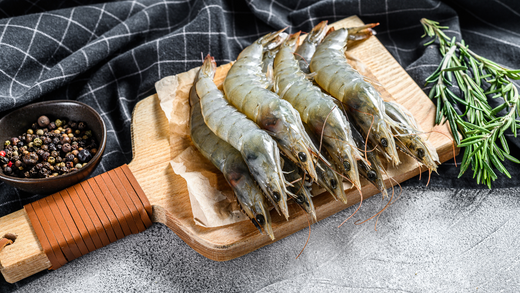
Important to know: The color of fresh shrimp is not orange.
And, surprisingly, the topic that generates the most astonishment is: there is no, commercially speaking, a species of shrimp that is orange in color. It's also interesting that when I explain theoretically, with great pedagogy, that most of the shrimp we consume are originally white or gray or sometimes slightly greenish or even light brown, and that they take on an orange hue when heated (release of astaxanthin due to protein denaturation), I notice that acceptance is partial. But when I turn on the stove and demonstrate the immediate color change in practice, everyone wants to film and take pictures.
For a long time, I thought it was amazing to have the opportunity to reveal this to consumers. But soon came the concern about how misinformed they are. Especially when the phrase comes: "I always made a point of paying more for orange shrimp because I thought it was a nobler species!" In 100% of the events, someone says something like that. It should be noted that the blame for the "disinformation" is not on consumers, but rather on those directly involved in commercialization who do not provide quality information to the end of the chain.

Freshwater shrimp vs. saltwater shrimp
Thus, and without vanity, whether the product is from commercial fishing or aquaculture, whether it originates from fresh or saltwater, whether imported or domestic, it is of utmost importance that everyone involved in the chain understands that Brazilians eat little fish because they are misinformed.
In one of the Seafood Brasil Podcasts, Meg Felippe – Commercial Director of Frescatto, stated the following phrase: “_There is no animosity, there is misinformation!”
Brazilians know the importance of consuming fish, they want to consume it, but... due to misinformation, they prefer not to take risks.
Finally, it is natural for both the fishing and commercial farming sectors to want to increase annual production quantities. Sell more, sell more...
But, larger quantities do not always mean better results. I can guarantee that there is room for us to considerably increase financial revenues by better addressing the quality and communication aspects of the shrimp offered in the market. Especially if coupled with careful cold chain management, with a view to preserving the maximum original flavor and texture.